
 Veselin Stoyanov7 min read
The Best Sauna Temperature for Maximum Benefit and Safety
Discover the best sauna temperature for traditional saunas. Learn how to balance heat, humidity, and time for safe, effective sauna sessions.
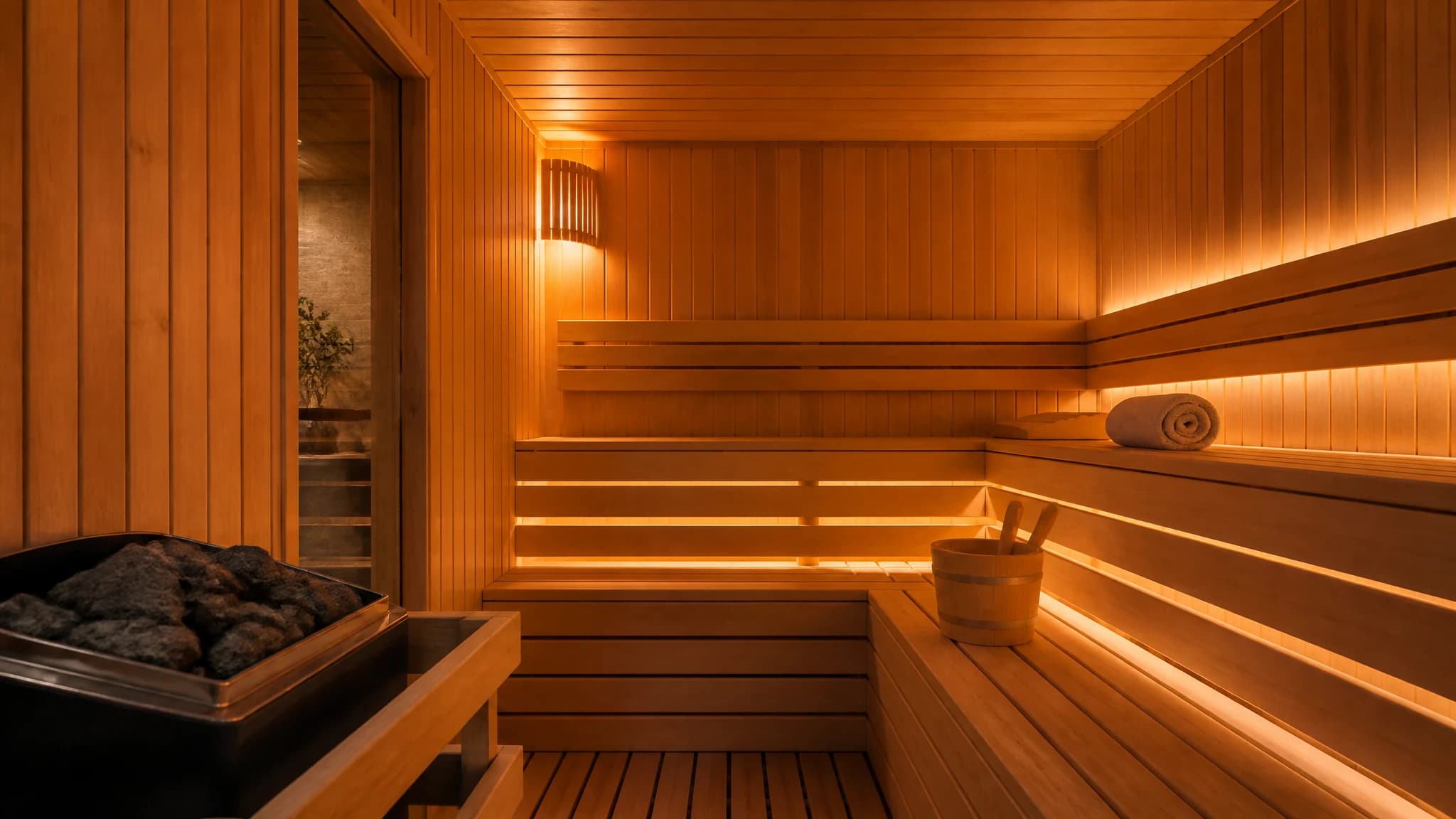
Stepping into a sauna should be a deeply relaxing and restorative experience. However, whether you are a seasoned practitioner or a complete beginner, finding the best sauna temperature is crucial for maximizing the physical benefits while ensuring you remain entirely safe. The ambient heat inside a sauna triggers a cascade of physiological responses, from increased circulation to a deep, cleansing sweat. But how hot is too hot, and where is the sweet spot?
Because every body reacts differently to heat therapy, the ideal sauna temperature is not a single, universal number. Instead, it is a range influenced by the type of sauna you use, the ambient humidity, and your personal heat tolerance. In this guide, we will explore the standard benchmarks for traditional saunas, how to balance heat with time, and how logging your sessions can help you discover the perfect environment for your wellness routine.
The Standard Range for Traditional Saunas
When we talk about the ideal sauna temperature, we are most often referring to the traditional Finnish-style sauna. These saunas utilize a stove loaded with stones to heat the room, often allowing users to pour water over the rocks to generate steam.
For a traditional wood-fired or electric sauna, the widely accepted best sauna temperature falls between 70 degrees Celsius and 90 degrees Celsius (approximately 158 degrees Fahrenheit to 194 degrees Fahrenheit).
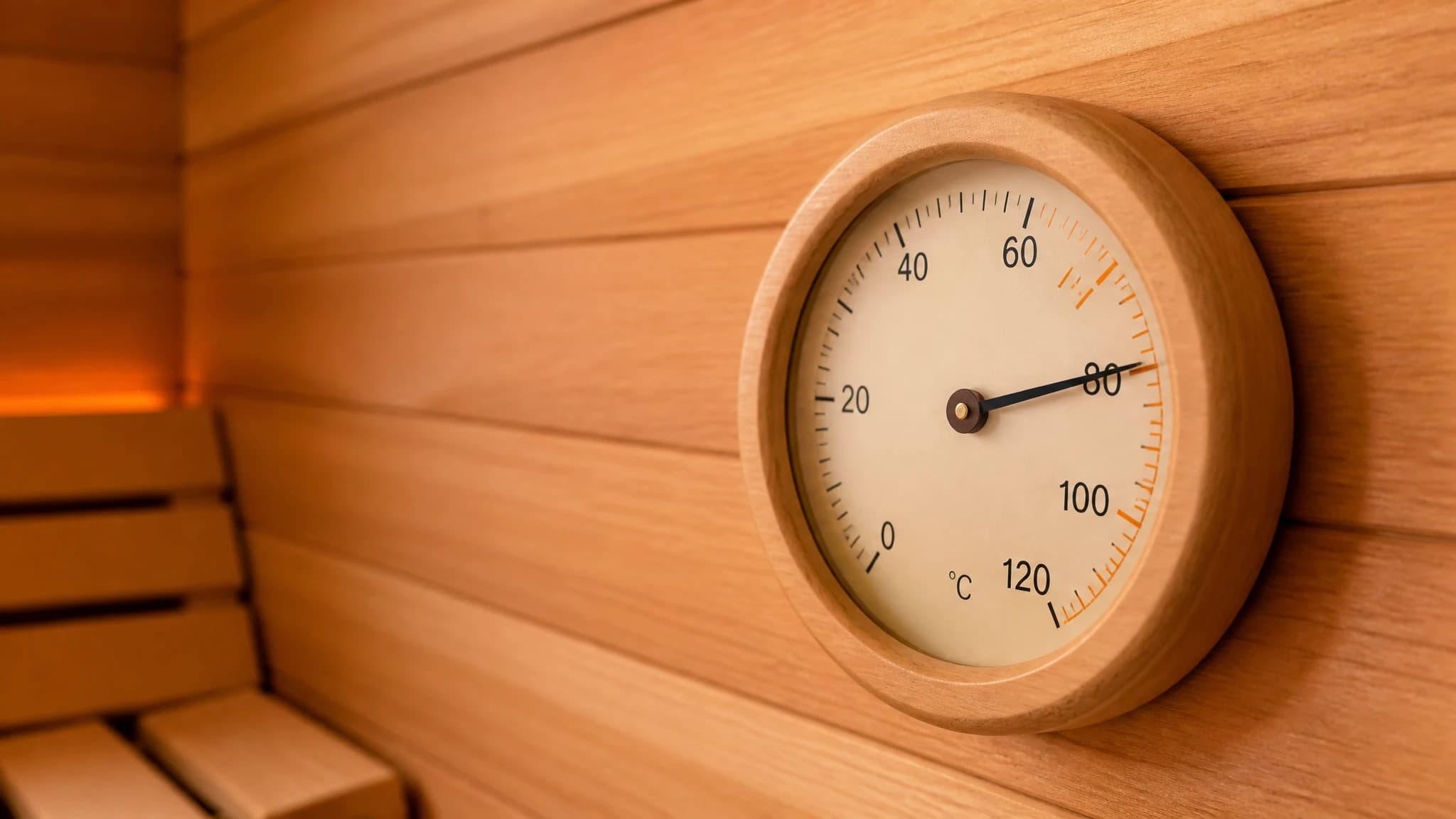
Monitoring the heat is the first step in finding a comfortable and safe range.
At the lower end of this spectrum (around 70 degrees Celsius), the environment is generally well-tolerated by beginners and older adults. It provides enough thermal stress to initiate sweating and elevate the heart rate moderately without causing rapid fatigue. At the higher end (approaching 90 degrees Celsius), the thermal stress is intense. This upper limit is usually favored by experienced sauna users who have conditioned their bodies to handle acute heat exposure over years of practice.
It is highly recommended not to exceed 90 degrees Celsius unless you are incredibly experienced, as pushing the ambient heat further increases the risk of dehydration, dizziness, and heat exhaustion.
Dry Heat vs. Wet Heat: The Role of Humidity
A critical factor in determining your safe sauna temperature is the level of humidity in the room. Traditional saunas can operate as "dry saunas" until water is introduced to the heated stones, creating a burst of steam known as löyly.
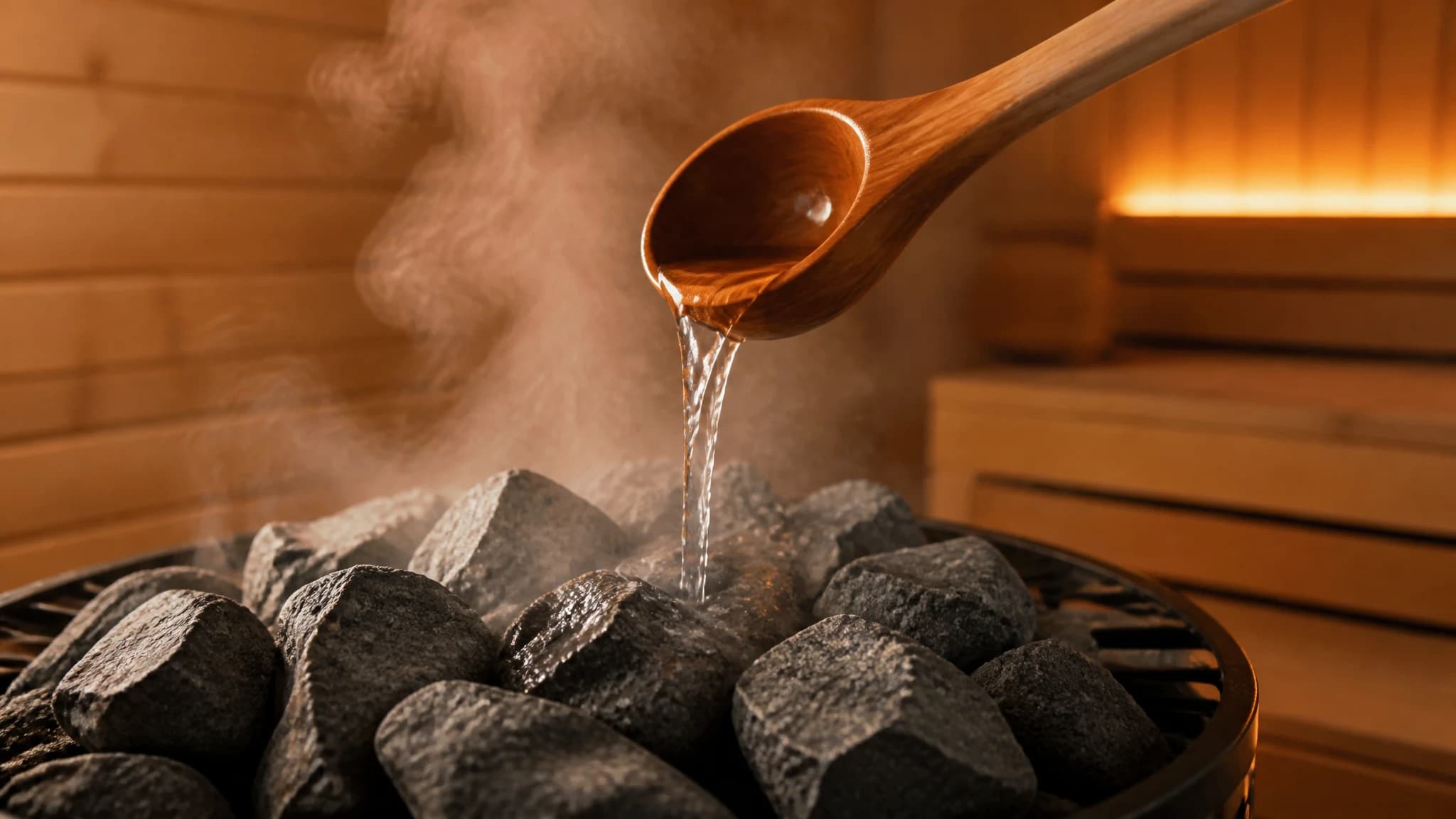
Creating steam (löyly) increases the ambient humidity and changes the perceived heat of the room.
When the air in a sauna is completely dry, your sweat evaporates quickly from your skin. This evaporation creates a cooling effect, allowing the body to tolerate a much higher ambient temperature. This is why you can safely sit in an 85-degree Celsius dry sauna for a prolonged period.
However, when you add water to the rocks, the humidity in the room spikes. High humidity prevents your sweat from evaporating efficiently. As a result, the perceived heat—how hot the room actually feels on your skin—increases dramatically, even though the thermometer reading on the wall remains unchanged. If you prefer a highly humid sauna experience with frequent löyly, your ideal sauna temperature should be set lower, closer to 70 or 75 degrees Celsius, to compensate for the intense physical sensation of the steam.
Balancing Sauna Temperature and Time
Understanding the relationship between sauna temperature and time is the most important element of sauna safety. The two factors work inversely: the hotter the sauna, the less time you should spend inside.
For most individuals, a standard, healthy sauna session lasts between 15 and 20 minutes. If you are operating the sauna at a moderate temperature of 75 degrees Celsius (167 degrees Fahrenheit), a 20-minute session provides ample time for the body to relax, muscles to loosen, and a deep sweat to form.
If you choose to push the heat closer to the 90-degree Celsius mark, your time spent inside should decrease accordingly. Ten to fifteen minutes at this upper threshold is more than enough to trigger the desired physiological benefits. Pushing beyond 20 minutes at maximum heat places unnecessary strain on the cardiovascular system and significantly increases the risk of dehydration.
Remember that cooling down is just as vital as heating up. Always allocate time to rest, breathe cool air, and hydrate adequately between sessions if you plan to re-enter the sauna.
Establishing a Safe Sauna Temperature Routine
Safety should always dictate your approach to heat therapy. Finding a safe sauna temperature requires patience and a willingness to listen to your body rather than chasing numbers on a thermometer.
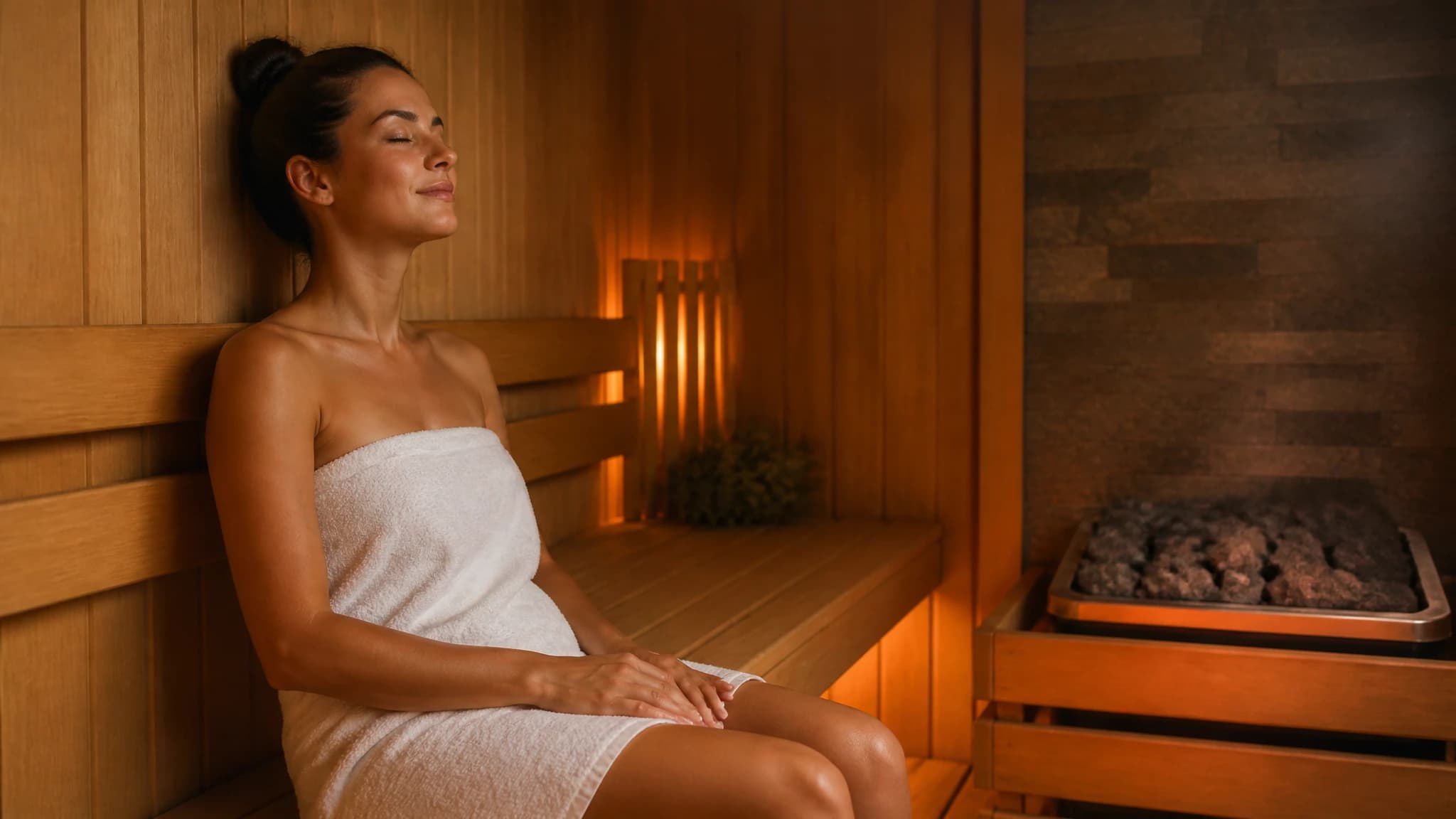
Relaxation and safety should always take priority over pushing your heat tolerance limits.
Beginners should adopt a conservative approach. Start your first few sessions at 65 to 70 degrees Celsius. Focus on how your breathing feels, the rate of your heartbeat, and your overall comfort level. If you feel lightheaded, nauseous, or uncomfortably hot at any point, leave the sauna immediately.
As your body acclimates to the environment over several weeks of regular use, you can gradually increase the heat by a few degrees at a time. This steady progression conditions your body safely, allowing you to slowly discover the upper limits of your personal ideal sauna temperature.
Track Your Progress for Consistent Results
Because the perfect balance of heat, humidity, and time is highly individual, keeping a record of your sessions is the best way to dial in your routine. Relying on memory makes it difficult to pinpoint exactly which temperature made you feel relaxed and which one left you feeling drained.
By logging the temperature, duration, and your subjective feelings after each session, you can identify clear trends in your heat tolerance and recovery. You might discover that a 75-degree Celsius session for 20 minutes improves your sleep, while an 85-degree Celsius session for 15 minutes is better for post-workout muscle recovery.
Using a free tracking tool like SaunaMetrics allows you to effortlessly log these metrics over time. By maintaining a clear history of your sauna habits, you transition from simply guessing the temperature to building a personalized, data-informed wellness routine that consistently supports your health goals.