
 Veselin Stoyanov9 min read
Best Time of Day to Sauna: Morning or Night?
Discover the best time of day to sauna. Compare morning versus night sauna sessions to optimize your routine for alertness, relaxation, and sleep.
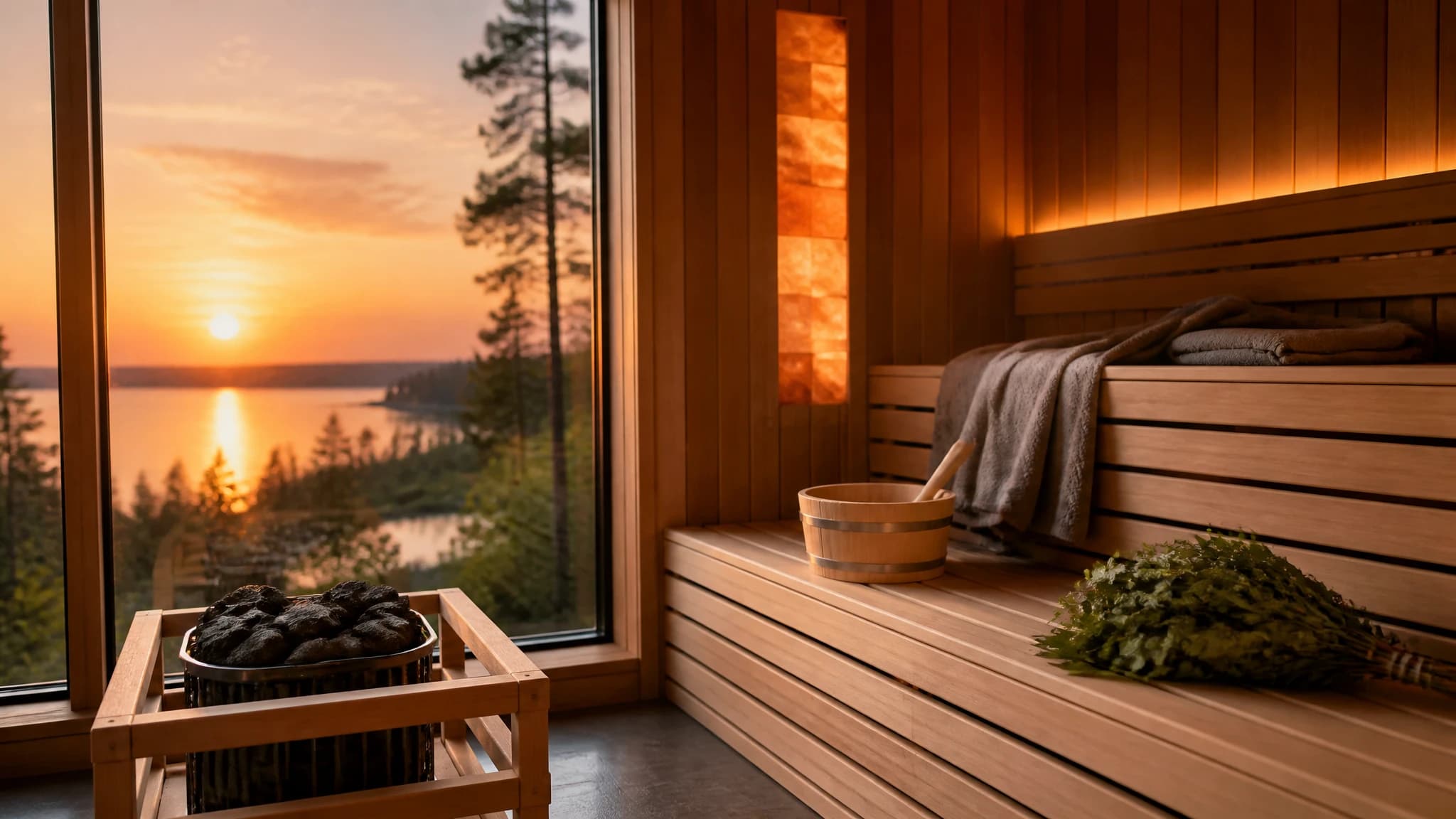
When building a consistent wellness habit, one of the most common questions that arises is about timing: what is the best time of day to sauna? Should you step into the heat first thing in the morning to kickstart your day, or is it better to reserve your session for the evening to wind down before bed?
The truth is, there is no single universal answer that applies to everyone. The optimal time for a sauna session depends entirely on your personal goals, your daily schedule, and how your unique physiology responds to heat exposure. Some people find that a morning sweat leaves them invigorated and ready to tackle complex tasks, while others use the profound relaxation of an evening session as a non-negotiable part of their sleep hygiene routine.
In this comprehensive guide, we will evaluate the pros and cons of morning versus nighttime sauna routines. We will explore how heat impacts your body at different times of the day, how to align your sessions with your natural circadian rhythm, and how tracking your habits can help you pinpoint the exact right time for your lifestyle.
The Physiology of Heat and Timing
To understand why the time of day matters, it is helpful to look at what happens to your body when you enter a sauna. As you sit in a heated environment, your core body temperature begins to rise. In response, your heart rate increases to pump blood toward your skin, facilitating sweating to cool you down. This cardiovascular response is remarkably similar to moderate physical exercise.
Simultaneously, your body's natural circadian rhythm dictates your baseline core temperature throughout the day. Your core temperature naturally dips to its lowest point during the middle of the night, begins to rise just before you wake up, peaks in the late afternoon, and drops again in the evening to signal to your brain that it is time for sleep.
By strategically timing your sauna sessions, you can either amplify your morning awakening process or support your evening wind-down process.
Morning Sauna Sessions: Invigoration and Alertness
For early risers, starting the day with a sauna session can be a powerful anchor for a morning routine. Exposing your body to heat shortly after waking up initiates a cascade of physiological responses that can leave you feeling sharp and energized.
The Pros of a Morning Sauna
1. Cardiovascular Activation: Because the heat increases your heart rate and dilates your blood vessels, a morning sauna acts as a gentle cardiovascular wake-up call. This increased blood flow delivers oxygen and nutrients to your brain and muscles, helping to shake off sleep inertia and promoting mental alertness.
2. Pre-Workout Warming: If you exercise in the morning, a brief 5-to-10-minute session before your workout can serve as an excellent passive warm-up. The heat loosens stiff joints, increases muscle pliability, and prepares your body for physical exertion, potentially reducing the risk of strain.
3. Establishing a Positive Mindset: Completing a structured wellness activity first thing in the morning provides a psychological "quick win." It sets a tone of intentionality and discipline that often carries over into other daily choices, such as eating healthier and staying focused on work tasks.
The Cons of a Morning Sauna
1. Hydration Challenges: You naturally wake up dehydrated after a long night of sleep. Entering a sauna immediately upon waking without first consuming adequate water can exacerbate dehydration, leading to headaches, dizziness, or lingering fatigue.
2. Time Constraints: Mornings are often rushed. A proper sauna session requires time to heat the cabin, sit for your desired duration, and take a cool-down shower afterward. If you are rushing through this process, it can induce stress rather than relieve it.
Best Practices for Morning Routines
If you decide to try a morning sauna routine, drink at least 16 to 32 ounces of water before stepping into the heat. Keep your sessions relatively moderate in length—often 15 to 20 minutes is plenty to stimulate alertness without causing excessive fatigue. Finish with a cool or cold shower to close your pores, lower your core temperature back to a comfortable baseline, and provide a final jolt of awakening energy.
Evening Sauna Sessions: Relaxation and Sleep Preparation
For many sauna practitioners, the evening is the holy grail of heat therapy. After a long day of physical or mental stress, the sauna provides a quiet, disconnected sanctuary to decompress.
The Pros of a Nighttime Sauna
1. Enhanced Sleep Architecture: The most profound benefit of an evening sauna is its potential impact on sleep. As mentioned earlier, your body temperature naturally drops in the evening to trigger melatonin production. When you artificially raise your core temperature in a sauna, your body responds by rapidly cooling down once you step out. This steep drop in body temperature strongly mimics and accelerates the natural circadian sleep signal, often resulting in deeper, more restorative sleep.
2. Muscle Relaxation and Tension Relief: Whether you spend your day hunched over a computer desk or engaging in manual labor, evening heat therapy is incredibly effective for relaxing tight muscles. The heat helps to flush out metabolic waste products and delivers nutrient-rich blood to areas of tension, alleviating aches and stiffness.
3. Digital Disconnection: A sauna is one of the few environments where you cannot easily take a smartphone. Using the sauna at night forces a period of digital detox before bed, reducing your exposure to blue light and stressful information, which are notorious for disrupting sleep onset.
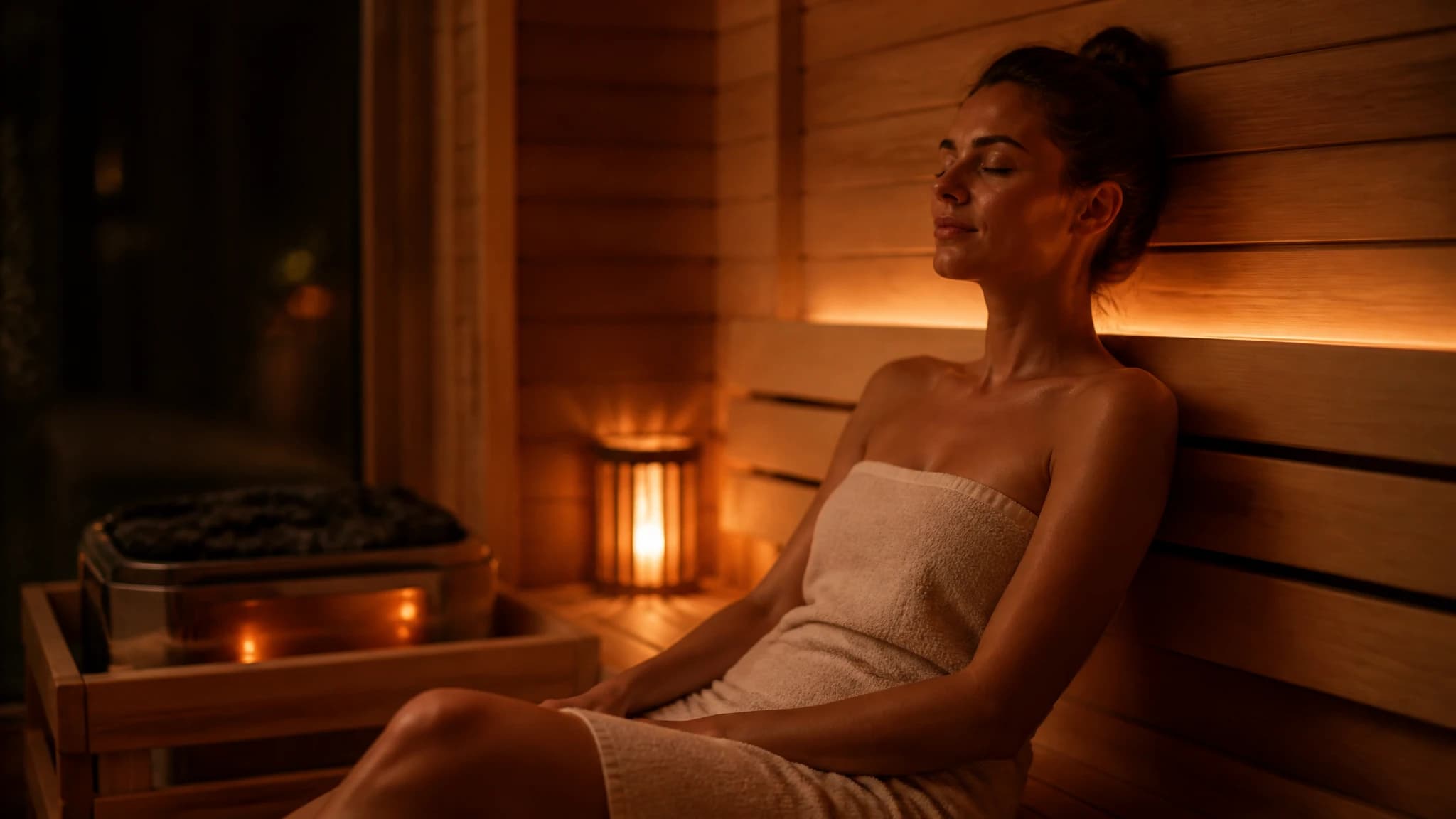
Evening sauna sessions are excellent for promoting deep relaxation and preparing the body for sleep.
The Cons of a Nighttime Sauna
1. Timing is Everything: If you sauna too close to bedtime and do not allow your body enough time to cool down, the elevated core temperature can actually cause insomnia. Trying to sleep while you are still sweating or radiating heat is uncomfortable and counterproductive.
2. Evening Lethargy: After a long day, it can be difficult to motivate yourself to go through the sauna and shower routine. If you are already exhausted, the intense heat might feel more draining than relaxing.
Best Practices for Evening Routines
To optimize a night sauna for sleep, aim to finish your session 60 to 90 minutes before your head hits the pillow. This provides an adequate window for the core temperature drop to occur. Avoid taking an extremely cold shower right before bed, as the shock can trigger an adrenaline release; instead, opt for a lukewarm or cool rinse that brings your temperature down gently.
Mid-Day and Post-Workout Alternatives
While morning and night are the most common times, they are not the only options. Many people build their sauna routine around their workout schedule.
Taking a sauna immediately after a workout (regardless of the time of day) is highly popular. Post-workout heat exposure can aid in recovery by keeping blood circulating to fatigued muscles while your heart rate gradually returns to normal. If you train in the afternoon, an afternoon sauna session might be the most logical and efficient choice for your lifestyle.
How to Determine Your Perfect Sauna Routine
Because physiological responses vary wildly from person to person, the only definitive way to find your perfect time is through personal experimentation and tracking.
Try committing to one week of morning sessions, followed by one week of evening sessions. During this experimental phase, pay close attention to several key indicators:
- Energy Levels: Do you feel energized or depleted after your session?
- Sleep Quality: Are you falling asleep faster? Are you waking up fewer times during the night?
- Consistency: Which time of day is easier for you to stick to without feeling rushed or burdened?
Tracking Your Sessions with SaunaMetrics
To make this experimentation objective, it helps to record your data. SaunaMetrics is a free sauna tracking app designed to help you log your sessions, note the temperature, and track your routine over time.
By using SaunaMetrics to log your morning versus evening sessions, you can leave personal notes about how you felt, how you slept, and your general mood. Over a few weeks, you will be able to look back at your personal sauna metrics and clearly see which timing yields the best results for your specific lifestyle. This data-driven approach removes the guesswork and helps you develop a sustainable, lifelong habit.
Conclusion
There is no absolute "best" time of day to sauna. A morning session offers an incredible cardiovascular boost, sharpens mental focus, and sets a disciplined tone for the day. Conversely, a night session provides unmatched muscle relaxation, digital disconnection, and a powerful biological cue for deep, restorative sleep.
The most effective sauna routine is the one that you can perform consistently. Evaluate your daily schedule, consider your personal wellness goals, and do not be afraid to experiment. By tracking your progress and listening to your body, you will discover the perfect rhythm for your sauna practice.