
 Veselin Stoyanov8 min read
How Long Should You Stay in the Sauna After a Workout?
Learn exactly how long you should stay in the sauna after a workout. Discover safe sauna times, key benefits for muscle recovery, and how to track your routine.
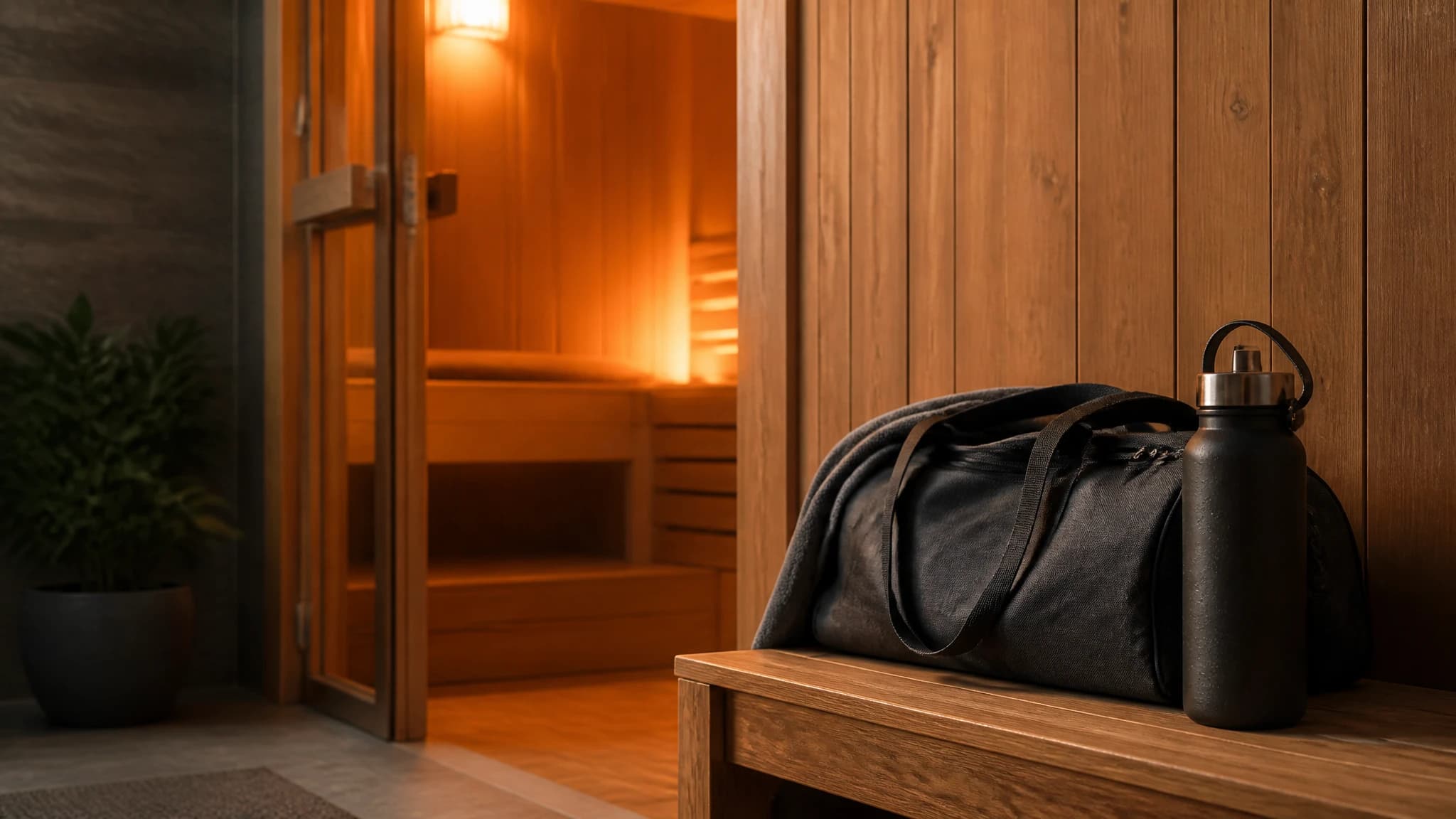
Stepping into a hot wood-lined room after a strenuous gym session is one of the most relaxing ways to end a workout. The heat feels immediately soothing on tired muscles, and the quiet environment offers a moment to decompress before moving on with your day. However, a common question arises for both beginners and experienced heat practitioners: how long in sauna after workout is actually safe and effective?
Because your body is already in an elevated state of stress from exercise, your post-workout sauna time needs to be approached differently than a session on a dedicated rest day. Your core temperature is already high, your heart rate is elevated, and you have likely lost fluids through sweat. Going straight into a high-heat environment compounds this physical stress.
Understanding the optimal sauna time after workout can help you support muscle recovery without pushing your cardiovascular system too far. In this guide, we will explore exactly how long you should sauna after a workout, the physiological reasons behind these duration limits, and practical steps to build a safe, consistent routine.
Why Post-Workout Sauna Sessions Are Different
To understand how long you should stay in the sauna after a workout, you first have to look at what your body is experiencing the moment you finish exercising.
During physical exertion, your heart works harder to pump oxygen-rich blood to your working muscles. Your core body temperature rises significantly. To cool itself down, your body pushes blood toward the surface of your skin and begins to sweat. This means that by the time you rack your last weight or step off the treadmill, you are already mildly dehydrated and your cardiovascular system is actively working to return to a state of homeostasis.
When you walk into a traditional sauna, which typically operates between 150 to 195 degrees Fahrenheit (65 to 90 degrees Celsius), your body is forced to continue its cooling mechanisms. Heart rate remains elevated or even increases slightly to handle the heat demand, and sweating accelerates.
Because your physiological systems are already taxed, a post-workout sauna session will feel much more intense than a session on a completely restful day. The tolerance you have for a 20-minute sauna session on a Sunday morning might be drastically reduced to just 10 minutes immediately after a heavy leg day. Acknowledging this compounded stress is the first step in determining a safe duration.
How Long Should You Sauna After a Workout?
Because of the compounded heat stress, the generally recommended timeframe for a post-workout sauna session is between 5 and 15 minutes. However, the exact answer to how long should you sauna after workout depends heavily on your prior experience with heat exposure and the intensity of your workout.
For Beginners
If you are new to using a sauna, or if you are combining a sauna and a workout for the first time, you should aim for the lower end of the spectrum. A session of 5 to 10 minutes is an excellent starting point. This provides enough time to experience the relaxing warmth without overwhelming a body that is already fatigued.
During these initial sessions, sit on the lower benches where the air is slightly cooler. Pay close attention to how you feel. If you begin to feel lightheaded, excessively dizzy, or uncomfortably fatigued, it is time to step out, regardless of what the timer says.
For Experienced Sauna Users
If you have been practicing deliberate heat exposure for months and are well-acclimated, you might comfortably tolerate 10 to 15 minutes after exercise. Your body has likely developed a more efficient sweat response and better cardiovascular adaptation to the heat.
Even with experience, it is rare to need or benefit from more than 15 to 20 minutes directly following intense physical exertion. Pushing past this mark when you are already depleted from exercise increases the risk of severe dehydration and heat exhaustion without offering additional recovery benefits.

Key Sauna After Workout Benefits
When utilized correctly, timing your heat exposure after exercise can be highly advantageous. While you should avoid treating the sauna as a magic cure-all, there are distinct, practical sauna after workout benefits that make those 10 to 15 minutes worthwhile.
First, the heat promotes vasodilation, which is the widening of your blood vessels. This increased circulation helps deliver oxygen and nutrients to tired muscles while carrying away metabolic byproducts that accumulate during exercise. Many people find that this process significantly reduces the sensation of delayed onset muscle soreness (DOMS) in the days following a workout.
Second, the heat is profoundly relaxing for the nervous system. A hard workout stimulates your sympathetic nervous system—the "fight or flight" state. Sitting quietly in a warm, dark room helps encourage the transition back into the parasympathetic "rest and digest" state, which is crucial for the recovery process to officially begin.
Finally, the heat allows for a gentle easing of joint stiffness. While it does not replace a dedicated stretching routine, the warmth makes tissues feel more pliable, which can be comforting after lifting heavy weights or completing a long run.
Best Practices for Post-Workout Saunas
To get the most out of your sauna time after workout while prioritizing safety, you should follow a few essential guidelines.
Let Your Heart Rate Settle First
Do not walk directly from your last set of sprints into a 180-degree sauna room. Give your body at least 10 to 15 minutes to cool down at room temperature. Walk around, stretch lightly, and allow your heart rate to drop closer to its normal resting pace. Entering the sauna with a resting or near-resting heart rate makes the session far more comfortable and safe.
Prioritize Hydration
This is arguably the most critical step. You have just lost water during your workout, and you are about to lose more in the sauna. Drink at least 16 to 20 ounces of water during your cooldown period before entering the sauna. Bring a water bottle with you if the facility allows it, and continue to hydrate heavily with water or electrolyte-rich fluids for hours after your session is over.
Listen to Your Body Above All Else
No timer or recommended protocol should override how you physically feel in the moment. Post-workout fatigue can be unpredictable. If you planned for 15 minutes but feel overwhelmed at minute eight, step out. Building a sustainable habit is about consistency, not forcing yourself through a single grueling session.
Tracking Your Sauna Time After a Workout
Because your body's response to heat changes based on your prior physical activity, tracking your sessions is incredibly useful. You will quickly notice that a 15-minute session on a rest day feels entirely different from a 15-minute session after heavy weightlifting.
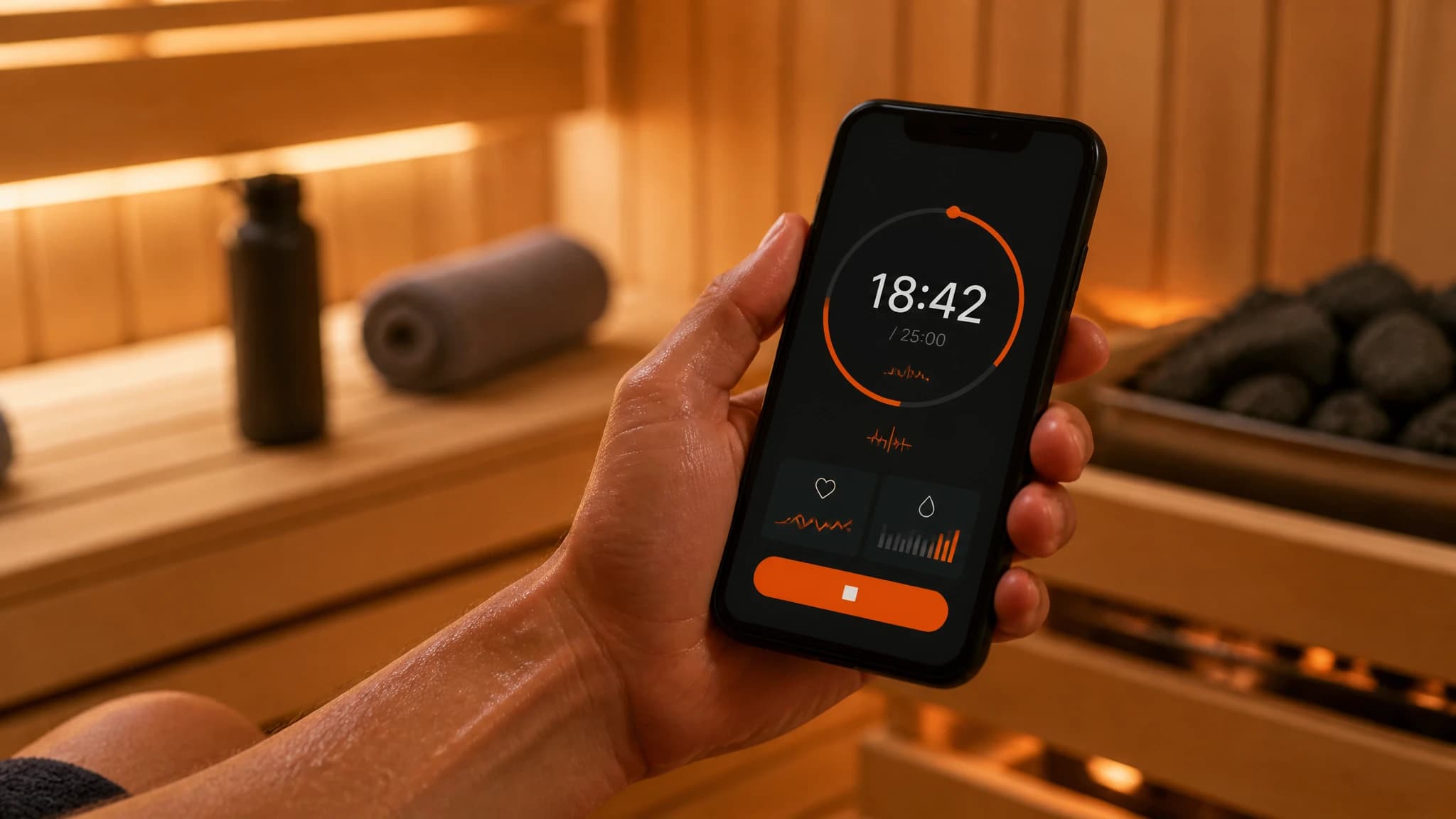
This is where a free tool like SaunaMetrics becomes valuable. SaunaMetrics allows you to log your sauna sessions, record the temperature, and track the exact duration of your heat exposure. More importantly, it lets you leave notes about your physical state before entering.
By noting whether a session was post-workout or on a rest day, you can begin to see patterns over time. You might discover that your ideal post-workout duration is exactly 12 minutes, allowing you to optimize your routine for recovery without overtaxing your system. Having this data on hand takes the guesswork out of your routine and helps you build a safer, more effective habit.
Final Thoughts on Post-Workout Sauna Use
Figuring out how long in sauna after workout is best for you is a process of trial and error. The general guideline of 5 to 15 minutes provides a safe baseline, but always account for the physical stress you have just endured in the gym. Let your body cool down first, drink plenty of water, and pay attention to your physical cues.
By respecting your body's limits and tracking your routines carefully, you can turn a post-workout sauna session into a highly effective tool for muscular relaxation and mental decompression.