
 Veselin Stoyanov9 min read
How Long Should You Stay in a Dry Sauna?
Discover how long you should stay in a dry sauna based on your experience level. Learn about safe sauna durations, cooling protocols, and how to track your routine.
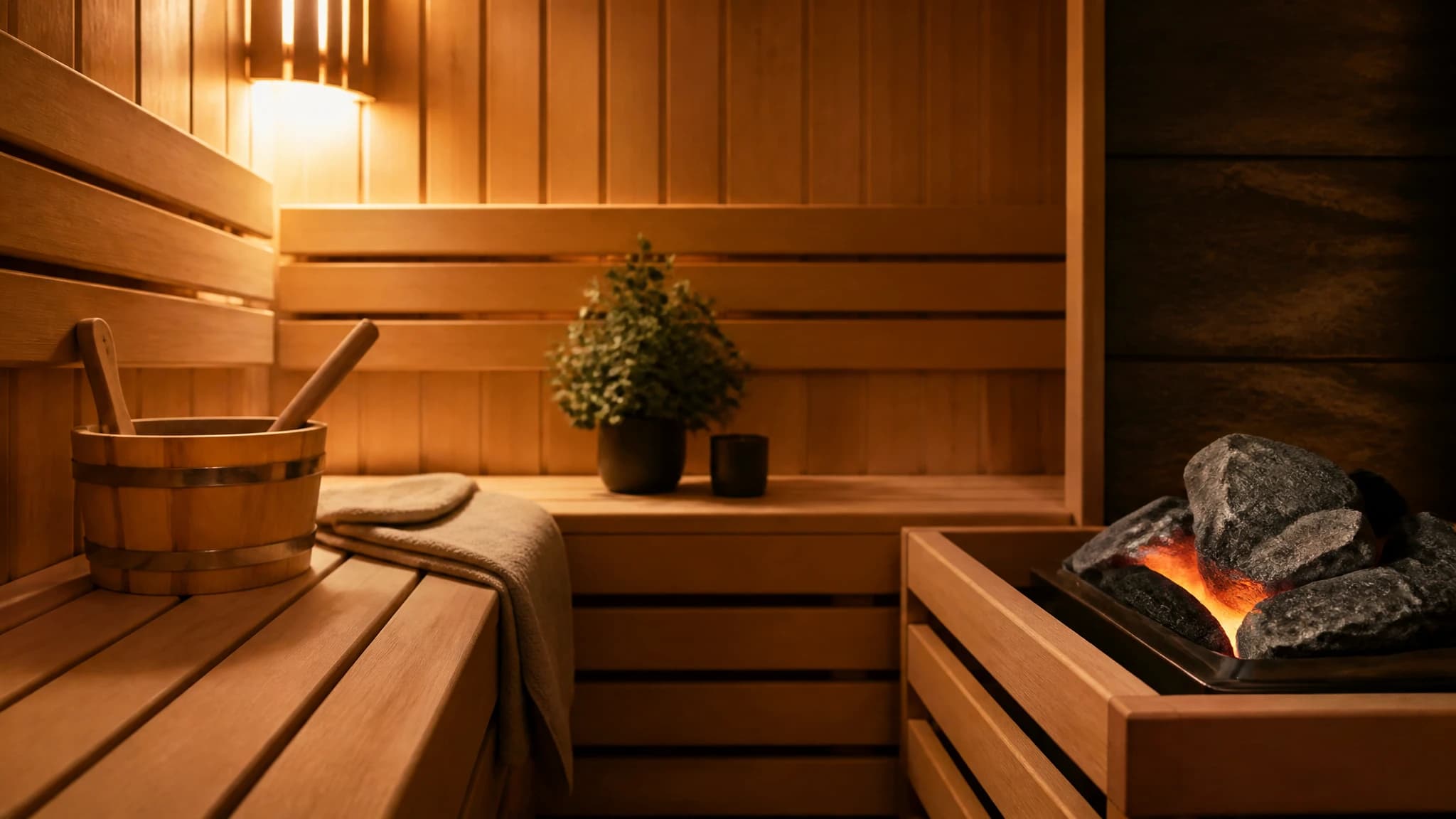
Stepping into a dry sauna can feel incredibly relaxing, but if you are new to the practice or trying to optimize your routine, one primary question often comes to mind: how long should you stay in a dry sauna?
The short answer is that most healthy adults should aim for sessions lasting between 15 and 20 minutes. However, the ideal sauna duration depends heavily on your experience level, hydration status, and the specific temperature of the room. Staying in too long can lead to dehydration or heat exhaustion, while leaving too early might prevent you from getting the full benefits of your session.
In this practical guide, we will explore the ideal timeframes for different experience levels, the fundamental differences between a dry sauna vs steam room, and how to effectively track your habits over time.
Understanding the Dry Sauna Experience
Before determining your ideal time limit, it is important to understand what makes a dry sauna unique. Traditional dry saunas typically operate at high temperatures, usually ranging from 150 to 195 degrees Fahrenheit (65 to 90 degrees Celsius). What sets them apart is the extremely low humidity level, which generally hovers around 10 to 20 percent.
When comparing a dry sauna vs steam room, the primary difference is this moisture content. A steam room operates at a lower temperature (around 110 to 120 degrees Fahrenheit) but maintains near 100 percent humidity. In a dry sauna, the low humidity allows your sweat to evaporate rapidly. This evaporation process is your body's natural cooling mechanism, allowing you to tolerate much higher temperatures for slightly longer periods than you might in a steam room.
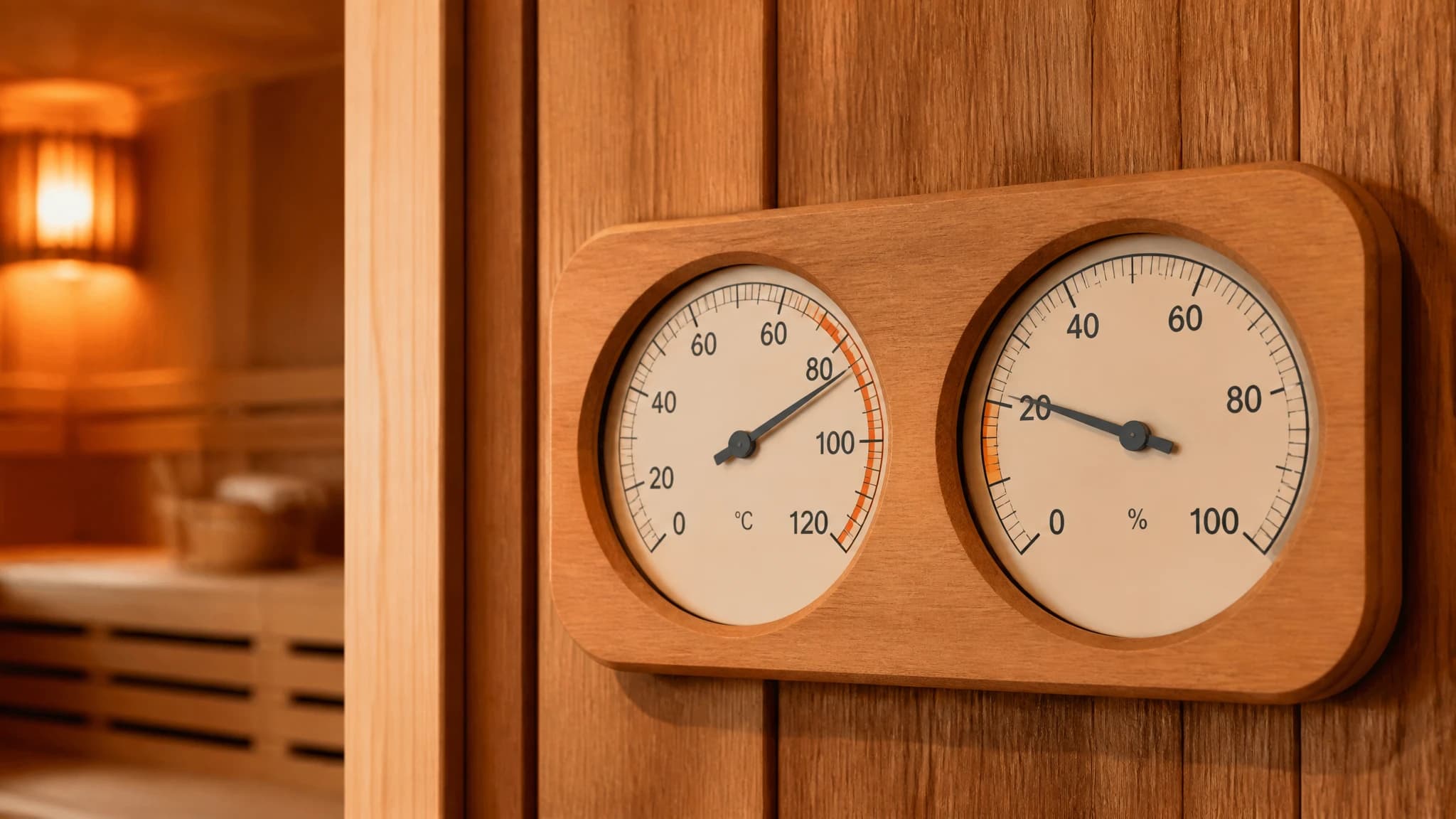
Dry saunas typically operate between 150 and 195 degrees Fahrenheit with less than 20 percent humidity.
Because the heat in a dry sauna is so intense, your body works hard to regulate its internal temperature. Your heart rate increases, blood flow is directed toward your skin, and you begin to sweat profusely. This cardiovascular demand is why pacing yourself is absolutely critical.
Recommended Sauna Duration by Experience Level
If you want to build a sustainable and safe sauna habit, you should adjust your time based on how accustomed your body is to heat stress. Here are the practical guidelines for sauna duration broken down by experience level.
For Beginners: 5 to 10 Minutes
If you have never used a sauna before, or if it has been years since your last session, your body will need time to adapt to the acute heat stress. Start with brief sessions lasting 5 to 10 minutes.
During these initial sessions, sit on the lower benches where the air is slightly cooler. Pay close attention to how you feel. It is completely normal to sweat heavily and feel your heart rate elevate, but you should not feel dizzy or overwhelmed. Once you can comfortably complete 10 minutes on the lower bench without feeling completely drained, you can begin to increase your time or move to a higher bench.
For Intermediate Users: 10 to 15 Minutes
Once you have been using a sauna regularly (at least one to two times a week for a few weeks), your body becomes more efficient at thermoregulation. At this intermediate stage, you can extend your sauna duration to 10 to 15 minutes.
This timeframe is where many people begin to notice a deep sense of relaxation. You can experiment with sitting on the middle or upper benches to experience a higher heat intensity. Always remember that even as an intermediate user, hydration remains your most important priority.
For Advanced Users: 15 to 20 Minutes
Advanced users who have maintained a consistent sauna routine for months or years often stay in the dry sauna for 15 to 20 minutes per session. At this level, the body is highly acclimated to the heat, and sweating begins almost immediately upon entering the room.
Even for seasoned practitioners, 20 minutes is generally considered the maximum recommended duration for a single, continuous session. Extending past 20 minutes significantly increases the risk of dehydration and provides diminishing returns. If you want more heat exposure, it is much safer to do multiple 15-minute rounds separated by cooling periods rather than a single 30-minute session.
Factors That Influence Your Ideal Time
While the 15 to 20-minute rule is a reliable benchmark, several daily variables can affect how long you should stay in a dry sauna on any given day.
Hydration Status
Your body relies on fluids to produce sweat. If you enter the sauna mildly dehydrated from a long day or a heavy workout, you will not be able to cool yourself efficiently. Always drink at least 16 ounces of water in the hour leading up to your session. If you are poorly hydrated, you should cut your session short.

Hydrating before, during, and after your session is essential for safely maximizing your time in a dry sauna.
Pre-Sauna Exercise
Using the sauna immediately after an intense cardiovascular or weightlifting workout is a popular practice. However, your core body temperature and heart rate are already elevated from the exercise. You may find that you reach your heat tolerance threshold in 10 minutes rather than your usual 15 minutes. Listen to your body and do not force yourself to hit a specific time goal if you already feel fatigued.
Room Temperature
Dry saunas can vary drastically in temperature. A session at 160 degrees Fahrenheit will feel entirely different from a session at 195 degrees Fahrenheit. If you are visiting a new facility and the temperature is higher than you are used to, proactively reduce your sauna duration.
Warning Signs: When to Exit Early
Regardless of your experience level, you should never try to "tough out" a session if your body is signaling that it is time to leave. Exiting the sauna is not a sign of failure; it is a critical safety measure. You should step out of the sauna immediately if you experience any of the following symptoms:
- Dizziness or lightheadedness
- Nausea or an upset stomach
- A sudden, severe headache
- A feeling of cold chills or clammy skin
- A rapid, uncomfortable, or irregular heartbeat
- Muscle cramping
If you experience these symptoms, exit the sauna slowly, sit down in a cool area, and slowly sip room-temperature water. Do not immediately jump into a cold shower or cold plunge if you are feeling dizzy, as the shock can exacerbate the lightheadedness.
Best Practices for a Safe Routine
To make the most of your time in the dry sauna, it helps to follow a structured routine. Preparation and recovery are just as important as the time spent inside the heated room.
First, always shower before entering the sauna. Removing lotions, oils, and dirt from your skin allows your pores to breathe and sweat freely. Dry off completely with a towel before walking in; a dry body begins sweating faster than a wet one.
Second, practice proper cooling. When your session is over, spend equal time cooling down. If you spent 15 minutes inside the dry sauna, spend at least 15 minutes resting in a temperate environment. This cool-down period allows your heart rate to return to its baseline. Rehydrate continuously during this period.
Finally, track your sessions. Logging the temperature, your time inside, and how you felt afterward is the best way to understand your personal heat tolerance and see how your body adapts over time.
This is where a dedicated tool can make a significant difference. SaunaMetrics is a free sauna tracking app designed specifically to help you log these variables. By recording your dry sauna sessions, you can objectively monitor your sauna duration over weeks and months, identify which temperatures work best for you, and build a consistent wellness habit without any guesswork.
Conclusion
Determining how long you should stay in a dry sauna comes down to respecting your body's limits and building up your tolerance gradually. Beginners should stick to 5 to 10 minutes, while experienced users can safely enjoy sessions of 15 to 20 minutes. Remember that the low humidity of a dry sauna allows you to handle high heat, but it also demands excellent hydration and a mindful approach to cooling down. By paying attention to your body and tracking your routine, you can safely integrate dry sauna sessions into your long-term health regimen.