
 Veselin Stoyanov9 min read
Infrared Sauna vs. Traditional Sauna: Key Differences Explained
Learn the key differences in the infrared sauna vs traditional sauna comparison. Discover heating mechanics, temperature ranges, and how long to stay in each.
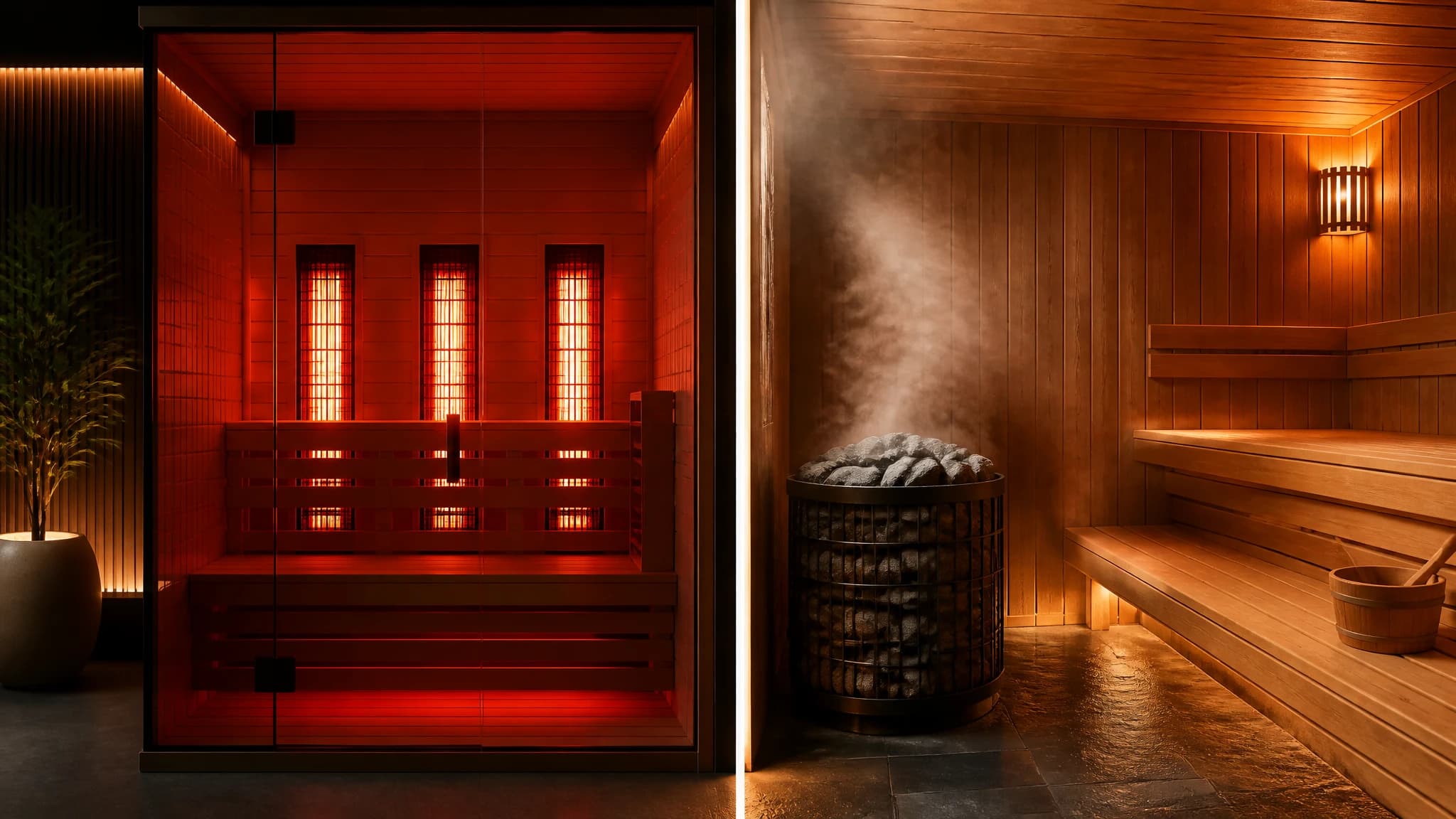
When exploring the world of heat therapy, the most common decision you will face is choosing between two distinct environments. The debate of infrared sauna vs traditional sauna is popular among wellness enthusiasts, gym-goers, and home spa planners. While both environments promote relaxation, trigger a deep sweat, and offer a dedicated space to unwind, they achieve these results through entirely different heating mechanics.
Understanding how each sauna works is essential for building a sustainable habit. Whether you are looking to install a sauna in your home, choose the right option at your local health club, or simply optimize your current routine, knowing the nuances of temperature, humidity, and heat delivery will guide your decision.
In this comprehensive guide, we will break down exactly how infrared saunas heat the body differently than traditional hot rock saunas, compare their temperature ranges, explain how long you should stay in an infrared sauna, and show you how to track your progress over time.
What is a Traditional Sauna?
Traditional saunas, often referred to as Finnish saunas, have a rich history that dates back thousands of years. They represent the classic sauna experience that most people picture: a wood-paneled room, a heater filled with stones, and a wooden bucket of water equipped with a ladle.
How Traditional Saunas Generate Heat
Traditional saunas rely on convection heating. A central heater—which can be powered by electricity, gas, or a wood fire—heats a pile of specialized sauna rocks. As these rocks reach high temperatures, they heat the air inside the cabin. The heated air then circulates around the room, eventually warming your body from the outside in.
Because traditional saunas heat the ambient air, the climate inside the cabin becomes exceptionally hot.
Temperature and Humidity
Traditional saunas operate at high temperatures, typically ranging from 150 to 195 degrees Fahrenheit (65 to 90 degrees Celsius). Some experienced practitioners even prefer temperatures slightly above 200 degrees Fahrenheit, though this requires careful attention to personal tolerance.
In their default state, traditional saunas are incredibly dry, with humidity levels often hovering between 5 and 10 percent. However, they offer a unique feature known in Finnish as "löyly." By ladling water over the hot rocks, you can instantly create a burst of steam. This temporary spike in humidity makes the heat feel significantly more intense on the skin and can help with respiratory comfort, even though the actual temperature of the room temporarily drops slightly due to the energy used to vaporize the water.
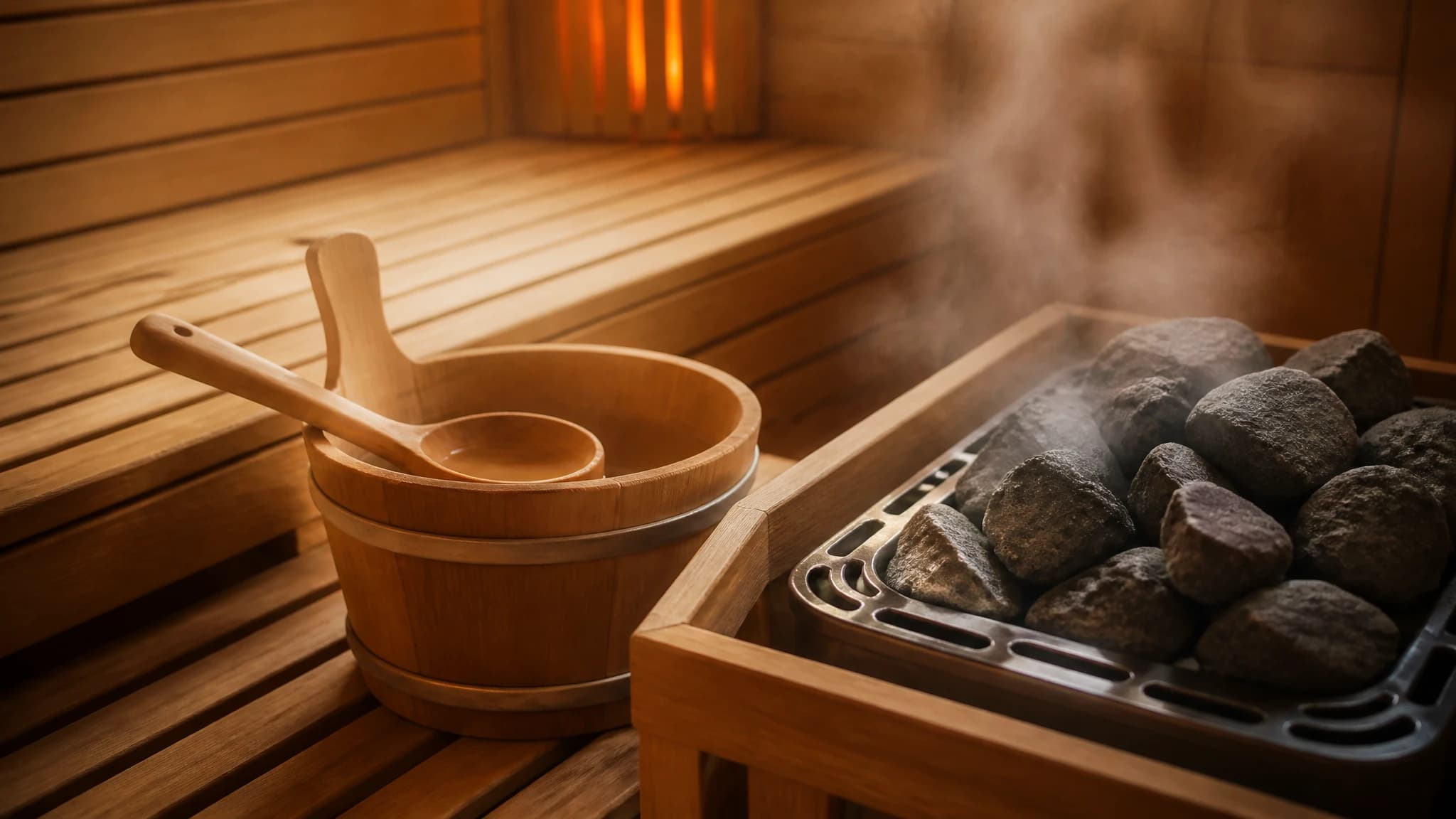
Traditional saunas use hot rocks to heat the air and allow users to create steam.
What is an Infrared Sauna?
Infrared saunas represent a more modern approach to heat therapy. Instead of relying on a central stove to heat rocks and air, these cabins use advanced heating panels placed strategically along the walls and sometimes the floor.
How Infrared Saunas Generate Heat
Infrared saunas utilize radiant heat. The panels emit infrared light waves—a safe, invisible spectrum of light that penetrates the skin and heats your body directly. Rather than spending energy heating the air in the cabin, infrared waves target the body's tissues.
Because of this direct transfer of energy, the air inside an infrared sauna remains much cooler than in a traditional sauna. You will still experience a deep, profuse sweat, but the physical environment around you will feel significantly less oppressive.
Types of Infrared Heat
Infrared saunas are generally categorized by the wavelength of light they emit:
- Far Infrared (FIR): The most common type, known for penetrating deep into the body to stimulate an intense sweat.
- Mid Infrared (MIR): Often associated with increased blood circulation.
- Near Infrared (NIR): The shortest wavelength, which penetrates just below the surface of the skin.
- Full Spectrum: Saunas that combine all three wavelengths into a single session.
Temperature and Humidity
Because infrared panels heat you directly rather than relying on hot ambient air, these saunas operate at significantly lower temperatures. An infrared sauna typically runs between 110 and 140 degrees Fahrenheit (43 to 60 degrees Celsius).
The humidity in an infrared sauna remains low and static. Because there are no rocks and no stove, you cannot pour water over the panels to create steam. The environment is strictly dry heat.
Infrared Sauna vs Traditional Sauna: Core Differences
When comparing an infrared sauna vs traditional sauna, the choice ultimately comes down to your personal preferences regarding heat tolerance, physical sensation, and practical logistics.
1. The Sensation of Heat
In a traditional sauna, the intense heat is immediately apparent the moment you open the door. The hot air hits your skin, and the environment feels dense, especially if water has recently been added to the rocks. It is a full-body envelopment of heat that demands your attention.
In contrast, an infrared sauna feels much milder initially. You can sit comfortably in the cabin, read a book, or converse without feeling overwhelmed by the ambient air. The heat builds gradually within your body. After about 10 to 15 minutes, you will find yourself sweating just as heavily as you would in a traditional sauna, despite the cooler air around you.
2. Respiratory Comfort
For some individuals, breathing in a traditional sauna can feel difficult due to the exceptionally hot air. The lower air temperatures in an infrared sauna make it much easier to breathe, making it a preferred choice for people who find traditional saunas claustrophobic or stifling.
3. Warm-Up Times
If you are installing a sauna at home, warm-up time is a practical consideration. Traditional saunas typically require 45 to 60 minutes to reach their target temperature, as the heater must warm the heavy rocks and the entire volume of air inside the room.
Infrared saunas are much faster, usually requiring only 15 to 20 minutes to preheat. Because the panels heat you directly, you can technically begin your session as soon as the panels are turned on and emitting infrared waves, though most people prefer to let the cabin warm slightly first.
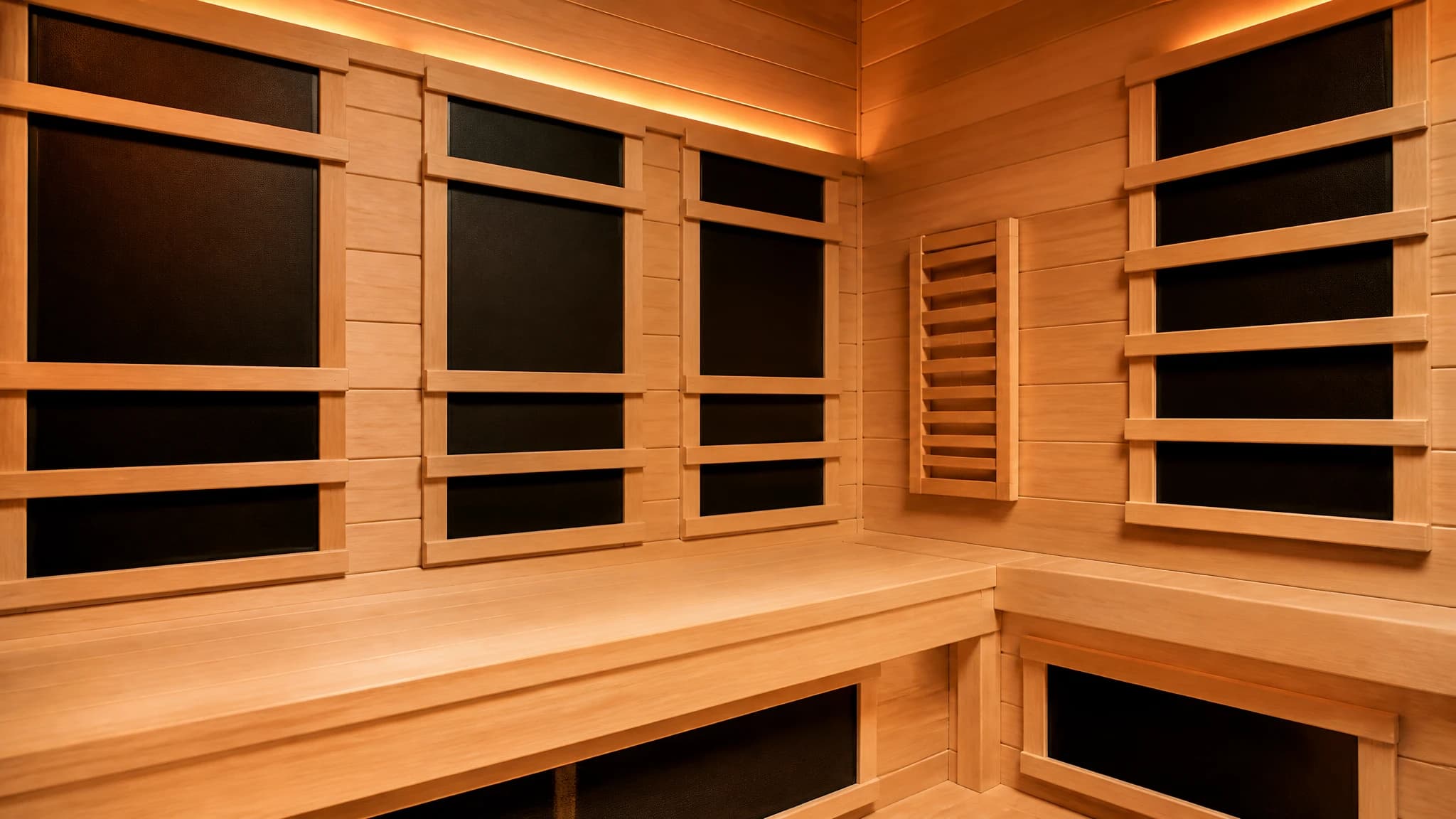
Infrared saunas use advanced heating panels to deliver radiant heat directly to the body.
How Long Should You Stay in an Infrared Sauna?
The difference in ambient temperature directly impacts the duration of your sessions. When asking how long should you stay in an infrared sauna, the answer differs significantly from traditional sauna recommendations.
In a traditional sauna, the intense heat usually limits sessions to 10 to 20 minutes. Practitioners often break their sessions into rounds, sitting in the heat for 15 minutes, stepping out to cool down, and then returning for another round.
Because an infrared sauna operates at a lower temperature and relies on a gradual internal heating process, sessions are typically much longer. How long should you stay in an infrared sauna for optimal results? Most experts recommend continuous sessions of 25 to 45 minutes.
If you are new to infrared therapy, start with 15 to 20 minutes and gradually increase your time as your body adapts to the radiant heat. Always listen to your body, stay hydrated before and after your session, and step out if you feel lightheaded, regardless of the time on the clock.
Tracking Your Sauna Routine
Whether you prefer the intense, steamy environment of a traditional sauna or the gentle, deep heat of an infrared cabin, consistency is the key to building a successful wellness routine.
Keeping a log of your sessions helps you understand your heat tolerance, track your duration, and monitor how your body responds to different temperatures over time. This is where SaunaMetrics excels. SaunaMetrics is a free sauna tracking app designed to help users log sessions, record temperatures, and track routines over time. By understanding your personal sauna metrics, you can refine your habit and ensure you are getting the most out of your time on the bench.
Making Your Choice
Choosing the winner in the infrared sauna vs traditional sauna debate depends entirely on your lifestyle and preferences.
A traditional sauna is likely best for you if:
- You love the intense, enveloping feeling of high heat.
- You enjoy the ritual of pouring water over hot rocks to create steam.
- You prefer shorter, highly intense sessions (10-20 minutes).
- You want the authentic, centuries-old Finnish experience.
An infrared sauna is likely best for you if:
- You are sensitive to high ambient temperatures or find hot air difficult to breathe.
- You prefer longer, deeply relaxing sessions (25-45 minutes).
- You want a faster warm-up time for convenience at home.
- You prefer a strictly dry heat environment.
Both modalities offer an excellent way to disconnect from daily stress, encourage a deep sweat, and dedicate time to your physical and mental well-being. By understanding the key differences in how they operate, you can confidently choose the environment that fits seamlessly into your lifestyle.