
 Veselin Stoyanov11 min read
The Ideal Post-Gym Sauna Routine for Maximum Benefit
Learn how to build a safe sauna after gym routine, including cooling down, showering, hydration, timing, and practical tracking tips.
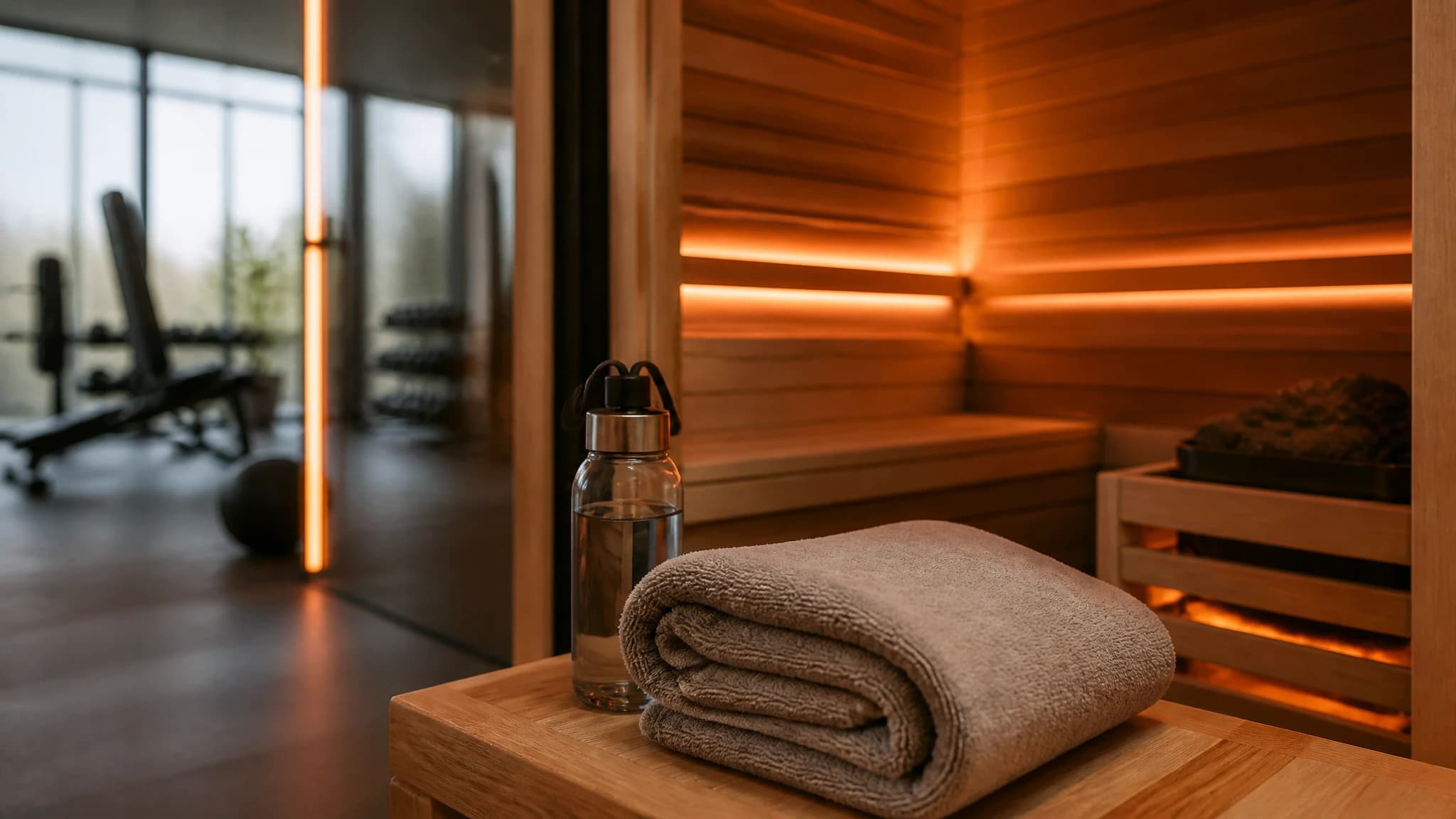
A sauna after gym sessions can be a relaxing way to finish lifting or cardio. But the best sauna routine does not begin the moment you leave the last machine or rack. Your body is already warm, your heart rate may still be elevated, and you have probably lost fluid through sweat.
A better approach is simple: cool down, clean up, drink water, check how you feel, and then keep the sauna session moderate. Sauna use may support relaxation and expose the body to additional heat stress, but it should not be treated as a guaranteed shortcut for muscle growth, fat loss, or recovery. Dehydration is one of the main risks to consider, especially when exercise and sauna use are combined. (health.harvard.edu)
Quick checklist: what to do before entering the sauna
Immediately after lifting or cardio, use this checklist:
- Finish with a few minutes of easy movement rather than stopping abruptly.
- Wait until your breathing and heart rate begin to settle.
- Shower off sweat before entering the sauna.
- Drink water before the session.
- Skip the sauna if you feel dizzy, nauseated, unusually weak, chilled, confused, or unwell.
- Bring a towel, and keep the session short enough that you can leave comfortably.
This short transition is the most important part of a sauna after workout routine. You do not need to rush into the heat to make the session more valuable.
Step 1: Cool down after your workout
Spend several minutes walking slowly, stretching gently, or moving around the gym. The goal is not to extend your workout. It is to give your breathing, circulation, and body temperature time to begin returning toward normal.
This matters more after intense intervals, high-volume leg training, long cardio sessions, or workouts in a warm gym. Exercise already increases heat production, sweating, and cardiovascular demand. Adding a sauna immediately may make it harder to notice that you are becoming overheated or dehydrated.
A practical test is whether you can speak comfortably and feel steady when standing. If your heart is still racing, your breathing is difficult to control, or you feel lightheaded, postpone the sauna and focus on cooling and rehydration instead.
Step 2: Shower off sweat before the sauna
Take a quick shower before entering. This is useful for basic hygiene, especially in a shared sauna, and it removes sweat, deodorant, lotions, and other products from your skin.
Use lukewarm water rather than an extreme temperature. A very cold shower may feel refreshing, but there is no need to shock your body immediately after a demanding workout. Likewise, a hot shower adds more heat before you enter the sauna.
Dry yourself before sitting down. A dry towel also helps you sit comfortably and keeps the bench clean for the next person. Follow the facility’s rules if they require a towel beneath you or prohibit certain products in the sauna.
Step 3: Rehydrate before you enter
Drink water before your sauna session, not only afterward. The right amount depends on your workout duration, sweat rate, body size, climate, and what you drank during training. Rather than forcing a large volume quickly, take steady sips and pay attention to thirst and how you feel.
If the workout was long, unusually sweaty, or performed in heat, a meal or drink containing electrolytes may be useful for some people. It is not necessary to assume that every short gym session requires a specialized supplement. Your overall diet, workout intensity, and sweat losses are more relevant than a fixed recipe.
Avoid using the sauna as a way to chase a lower scale reading. A drop in body weight immediately after exercise and sauna use is primarily a change in body water, not proof of fat loss. (health.clevelandclinic.org)
Step 4: Choose a conservative sauna session
If you are healthy, accustomed to sauna use, and feel fully recovered from the workout transition, start with a conservative session. For many people, that means sitting for roughly 5 to 15 minutes rather than trying to stay as long as possible.
There is no prize for enduring extreme heat. Leave when you feel that you have had enough, and leave immediately if you become dizzy, faint, nauseated, confused, unusually short of breath, or develop a headache or pounding heartbeat.
New sauna users should begin with less time and observe how they respond later in the day. A session that feels fine at the time may still leave you tired if you were already under-hydrated from training.
Do not combine a post-gym sauna with alcohol or other substances that can impair judgment or affect fluid balance. Also be cautious with rapid transitions between intense heat and extreme cold. If you have a heart condition, blood-pressure concerns, are pregnant, take medication that affects sweating or blood pressure, or have another relevant medical condition, ask a qualified clinician whether sauna use is appropriate for you. (health.harvard.edu)

Cool down and hydrate before adding sauna heat to your workout routine.
Step 5: Cool down and drink again afterward
When you leave the sauna, sit or stand calmly and let your body cool down gradually. Drink more water according to thirst and your likely sweat losses. If you still feel overheated, weak, dizzy, or unwell, move to a cooler area and stop the routine.
You can then shower, change into dry clothes, and have your normal post-workout meal. Protein and carbohydrates may be useful depending on your training goals and when you last ate, but the sauna does not change the basic principles of post-workout nutrition.
A simple post-gym sequence looks like this:
- Finish the workout.
- Cool down for several minutes.
- Shower off sweat.
- Drink water.
- Rest until you feel steady.
- Sauna for a moderate period.
- Cool down gradually.
- Rehydrate and eat as appropriate.
How long should you wait before using a sauna after the gym?
There is no universal waiting period that works for every person or workout. The better rule is to wait until your breathing, heart rate, and sense of balance have settled and you no longer feel overheated from exercise.
For a light workout, that transition may be brief. After intense cardio, heavy lifting, or a long session, you may need more time. If you are still sweating heavily, feel thirsty, or have symptoms such as dizziness or nausea, wait longer or skip the sauna.
The ideal timing is also affected by the environment. A crowded, hot gym can increase your heat load before you reach the sauna. Outdoor heat, warm showers, and restrictive clothing can add to the same problem.
Should you use the sauna after lifting or cardio?
Either can be followed by sauna use, but the risk of feeling overheated may be greater after harder or longer cardio sessions. High-volume leg workouts can also leave you feeling lightheaded when you stand, particularly if you have not eaten or hydrated adequately.
Consider the workout’s total stress rather than labeling it simply as “lifting” or “cardio.” Ask yourself:
- How hard was the session?
- How long did it last?
- How much did I sweat?
- Did I drink during the workout?
- Do I feel normal now?
If the answers suggest substantial strain, make the sauna shorter or leave it for another day. The best sauna routine is one you can repeat without feeling depleted afterward.
A practical weekly sauna routine
A useful routine should be consistent enough to observe, but flexible enough to account for sleep, food, hydration, and workout intensity. For example:
- Use the sauna after selected workouts rather than automatically after every session.
- Choose shorter sessions on days when training was harder or sweat losses were higher.
- Avoid treating sauna time as a test of toughness.
- Keep your normal hydration and nutrition habits in place.
- Take a rest day from sauna use if you feel unusually fatigued.
You may also find that sauna timing works better after a moderate workout than after your most exhausting session. The right choice is individual and depends on how your body responds.
Tracking can make that response easier to understand. With SaunaMetrics, you can log the sauna session, temperature, duration, and notes alongside your routine. You can also record the associated gym session so that, over time, you can compare how different combinations affect your energy, comfort, and consistency.
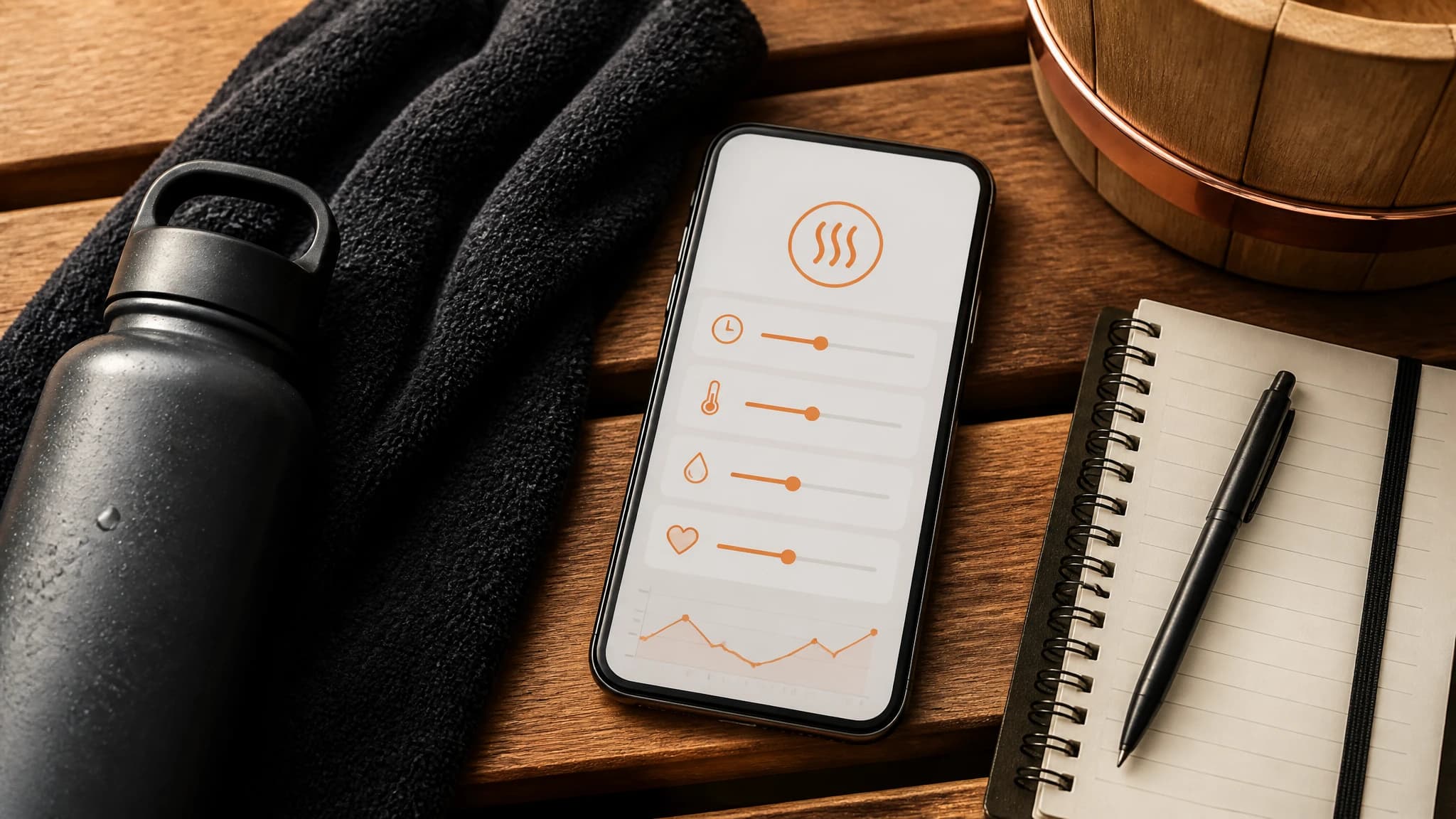
Tracking workout and sauna details can help you recognize patterns over time.
What to track in a sauna after gym routine
You do not need complicated measurements. A few consistent fields can reveal useful patterns:
- Workout type: lifting, steady cardio, intervals, or rest day
- Workout duration and perceived effort
- Sauna temperature, if available
- Time spent in the sauna
- Water or electrolyte intake before and after
- How you felt on entry
- How you felt 30 to 60 minutes later
- Sleep quality that night
- Whether you repeated the routine comfortably the next day
Avoid drawing conclusions from one session. Look for patterns across several comparable workouts. For example, you might notice that a 10-minute sauna after moderate lifting feels comfortable, while a longer session after intervals leaves you tired. That is more useful than copying a generic routine designed for someone else.
Common mistakes to avoid
Entering while still overheated
Walking directly from a hard workout into the sauna can make it difficult to distinguish normal exertion from heat-related symptoms. Cool down first and reassess how you feel.
Drinking only after the sauna
Exercise and sauna use both increase fluid losses. Waiting until the end may leave you starting the sauna already behind on hydration.
Staying in because of the clock
A timer can be helpful, but it should not override symptoms. Leave early if you feel unwell, even if you have only been inside for a few minutes.
Using sauna time to replace recovery basics
A sauna does not replace sleep, adequate food, sensible programming, or rest days. Think of it as an optional part of a broader routine, not the foundation of recovery.
Making exaggerated health claims
Sauna use can feel good and may have potential cardiovascular and relaxation benefits, but individual responses vary and research does not justify promising a specific result for every gym-goer. Keep your routine practical and evaluate it based on your own experience and safety.
The best sauna routine is repeatable
For most people, a sensible sauna after gym routine is less about maximizing heat exposure and more about managing the transition from exercise to heat. Cool down, shower, hydrate, check in with yourself, keep the session moderate, and rehydrate afterward.
Start conservatively, especially after hard workouts or if you are new to sauna use. By tracking your workouts, sauna conditions, and how you feel afterward, you can develop a routine based on real patterns rather than assumptions.