
 Veselin Stoyanov7 min read
Sauna After Running: Recovery Benefits for Endurance Athletes
Discover the benefits of using a sauna after running. Learn how heat acclimation and plasma volume changes improve endurance, plus safe hydration tips.
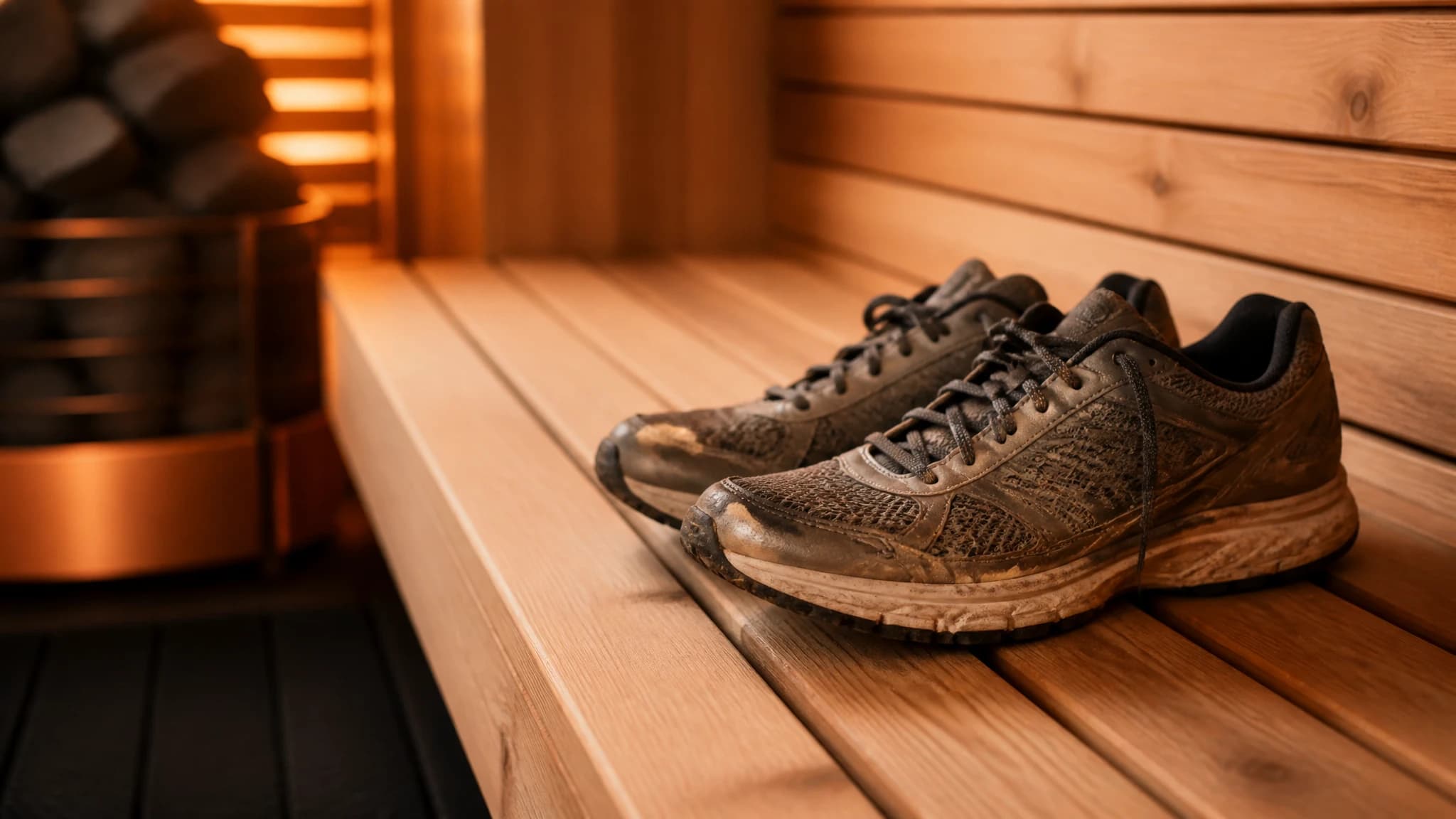
Endurance training requires immense physical output, and how you recover is just as critical as how you train. While many runners focus on stretching, foam rolling, sleep, and nutrition, an increasing number of athletes are looking toward heat therapy to gain an edge. Specifically, using a sauna after running has become a highly effective, evidence-backed recovery strategy.
Whether you are training for a 5K or an ultramarathon, managing fatigue and prompting your body to adapt to stress is the name of the game. A deliberate sauna routine can complement your mileage by forcing positive cardiovascular adaptations and accelerating muscle relaxation. However, combining a high-intensity run with intense environmental heat requires a strategic, safety-first approach.
In this guide, we will explore the physiological benefits of using a sauna for runners, focus on key adaptations like heat acclimation and blood plasma volume, and outline how to safely integrate post-run sauna sessions into your routine.
The Physiology of Sauna After Running
When you run, your core body temperature rises, your heart rate elevates, and your blood vessels dilate to pump oxygen to working muscles and push heat to the skin's surface. Stepping into a sauna shortly after a run extends this cardiovascular workout without adding additional mechanical wear and tear on your joints.
This prolonged thermal stress acts as a powerful stimulus for the body. Instead of simply cooling down, the body is forced to continue managing heat, which triggers several valuable endurance adaptations.
Boosting Blood Plasma Volume
One of the most significant benefits of a sauna after running is its impact on blood plasma volume. Heat stress signals the body to retain water and expand blood plasma, the liquid component of your blood.
For endurance athletes, an increase in blood plasma volume is highly advantageous. With more blood volume available, your heart does not have to work as hard to simultaneously deliver oxygen-rich blood to your leg muscles and push blood to your skin for cooling. This increased cardiovascular efficiency often translates to a lower heart rate at a given running pace, ultimately improving your aerobic endurance and stamina.
Achieving Heat Acclimation
Heat acclimation is the process by which your body becomes more efficient at cooling itself. If you are training for a summer race or live in a hot climate, using a sauna after cardio is one of the most practical ways to train your body to handle the heat.
Regular sauna use lowers the threshold at which you begin to sweat, meaning your body starts the cooling process earlier in your run. It also decreases the concentration of sodium in your sweat, helping you retain vital electrolytes during long, hot endurance efforts. Over time, heat acclimation can make running in warm weather feel significantly less taxing.
Key Recovery Benefits for Runners
Beyond cardiovascular adaptations, adding a sauna session to your post-run routine provides several direct recovery benefits.
Muscle Relaxation and Reduced Soreness
The deep heat of a traditional or infrared sauna penetrates muscle tissue, promoting blood flow and circulation. This increased circulation helps flush out metabolic waste products that accumulate during a hard run. The warmth also relaxes tight muscles, reducing the severity of delayed onset muscle soreness (DOMS) and keeping your legs feeling fresh for your next workout.
Improved Sleep Quality
Quality sleep is the foundation of athletic recovery. A sauna session causes a temporary spike in core body temperature. When you exit the sauna and your body begins to cool down, this rapid drop in core temperature mimics the natural cooling process that occurs before sleep. Many runners find that a sauna session, particularly in the evening, helps them fall asleep faster and achieve deeper, more restorative sleep.
Mental Resilience
Endurance running is as much a mental challenge as a physical one. Sitting in a hot sauna requires focus, breathing control, and mental endurance. Pushing through the discomfort of a sauna session—safely and within your limits—can help build the mental toughness required to push through the late stages of a long race.

Safety First: Hydration and Timing
While the sauna after running benefits are compelling, safety must be your top priority. Combining the fluid loss of a run with the heavy sweating of a sauna can lead to dangerous levels of dehydration if not managed correctly.
Prioritize Post-Run Hydration
Never go straight from a grueling, sweaty run into a hot sauna without rehydrating first. You must replenish the fluids and electrolytes lost during your workout before exposing yourself to further heat stress.
Drink at least 16 to 24 ounces of water mixed with electrolytes immediately following your run. Keep a large water bottle with you inside the sauna, and continue to hydrate throughout the session. If you feel dizzy, lightheaded, or unusually fatigued, exit the sauna immediately.
Timing Your Session
It is generally recommended to wait at least 15 to 30 minutes after completing your run before entering the sauna. This buffer period gives your heart rate time to return to a normal resting pace and allows you to prioritize initial hydration and a light cool-down stretch.
Start Slow and Short
If you are new to heat therapy, treat your sauna sessions like a new training block: start small. Begin with 10 to 15 minutes at a moderate temperature. As your body adapts and your heat tolerance improves, you can gradually increase the duration up to 20 or 30 minutes.

Tracking Your Sauna Routine
To truly understand how heat therapy impacts your running performance, you need to track it just like you track your mileage and pacing. Keeping a dedicated sauna log helps you identify patterns in your recovery and performance.
Recording metrics such as the temperature of the sauna, the duration of your session, and how your body felt afterward allows you to see how your heat tolerance improves over a training block.
This is where a dedicated tool makes a difference. SaunaMetrics is a free sauna tracking app designed to help you log sessions, track routines over time, and understand useful sauna metrics. By keeping a simple digital log with SaunaMetrics, you can easily look back at your history and correlate consistent sauna use with improved race times or faster recovery periods, all without the guesswork.
Conclusion
Integrating a sauna after running can be a game-changer for endurance athletes. By promoting heat acclimation, increasing blood plasma volume, and aiding in muscle relaxation, a consistent sauna routine can elevate your training and recovery. Remember to prioritize hydration, listen to your body, and track your progress to ensure you are getting the most out of every session.