
 Veselin Stoyanov8 min read
The Benefits of Hitting the Sauna After Weight Training
Learn the physiological benefits of hitting the sauna after weight training, from improved heart rate management to enhanced muscle relaxation and recovery.
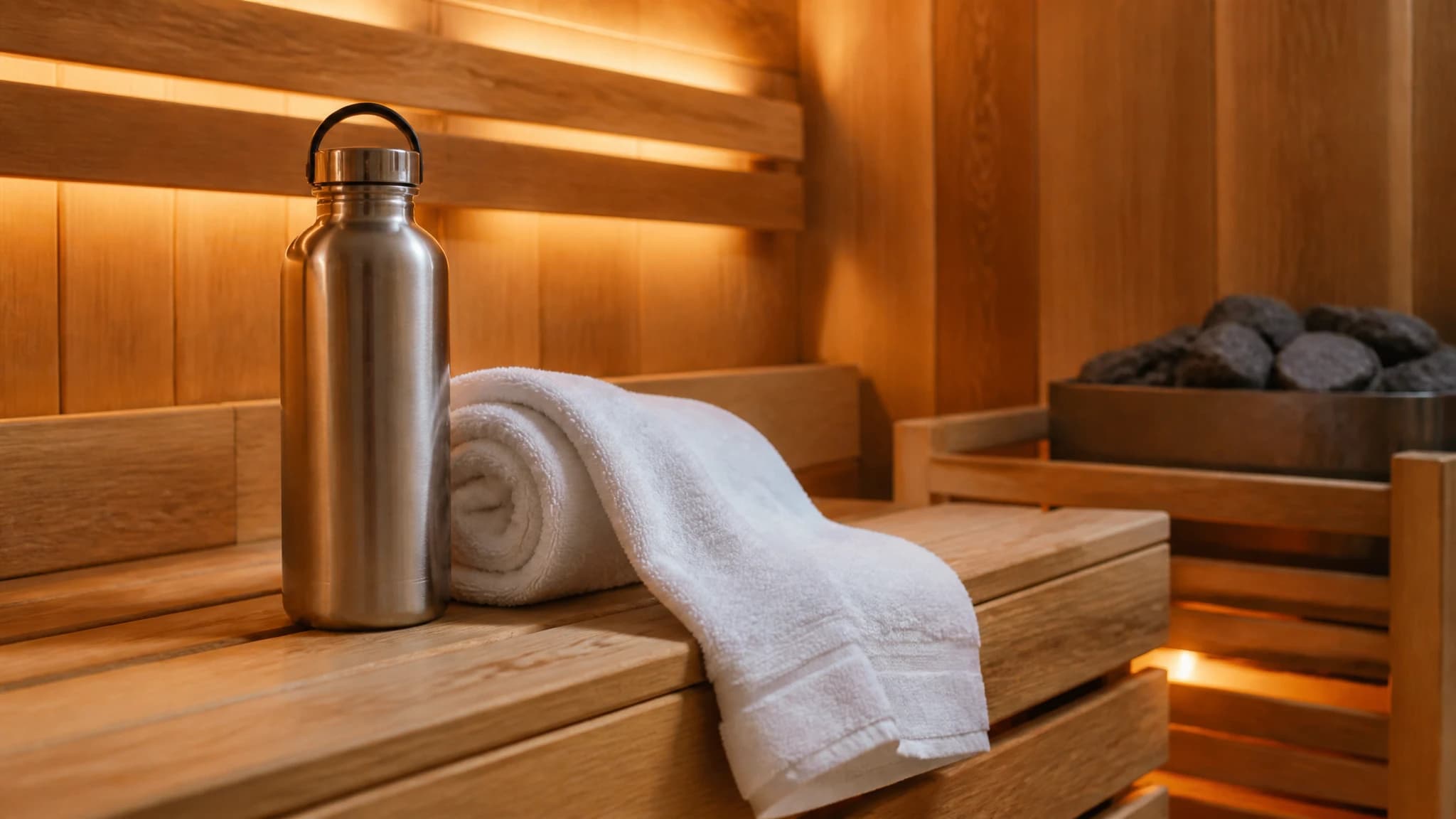
Weight training is fundamentally about breaking down the body. Whether you are focusing on high-volume hypertrophy or low-rep strength training, the time spent lifting weights creates micro-tears in your muscle fibers and places significant stress on your central nervous system. True progress does not happen while you are holding the barbell; it happens during the recovery phase.
For decades, athletes and casual gym-goers alike have turned to heat therapy as a post-workout recovery tool. Hitting the sauna after weight training has become increasingly popular, moving from an exclusive spa luxury to a staple of the modern fitness routine. But what exactly happens to your body when you step out of the weight room and into a high-temperature environment?
Understanding the physiological shift that occurs when you use the sauna after lifting weights can help you maximize your recovery, manage your heart rate, and ultimately improve your long-term fitness results.
The Physiology of Weight Training and Heat
When you engage in intense weight lifting, your body enters a highly sympathetic state, commonly known as the "fight or flight" mode. Your heart rate spikes, your blood pressure increases to deliver oxygen to working muscles, and your body accumulates metabolic byproducts like hydrogen ions.
Transitioning immediately from this high-stress environment into a sauna creates a fascinating physiological bridge. The intense heat of the sauna—typically between 150°F and 195°F (65°C to 90°C) for traditional setups—forces your body to thermoregulate. This requirement to cool down initiates a cascade of physical responses that align perfectly with the goals of post-workout recovery.

The transition from the gym floor to the sauna triggers a profound physiological shift.
Accelerated Muscle Relaxation and Blood Flow
One of the primary benefits of the sauna after weight training is profound vasodilation. As your core temperature rises, your blood vessels widen to push blood toward the surface of your skin to cool you down.
This increased circulation is highly beneficial for muscles recovering from a strenuous hypertrophy session. The expanded blood vessels allow for a higher volume of oxygen and nutrient-rich blood to reach the muscle tissues that were just broken down. Simultaneously, this enhanced blood flow helps flush out the metabolic waste that accumulated during those heavy sets of squats or deadlifts.
Furthermore, the penetrating heat physically relaxes muscle tension. Lifting heavy weights often leaves muscles feeling tight and contracted. The ambient heat of the sauna allows these muscle fibers to loosen, reducing the immediate stiffness that often follows an intense gym session and potentially mitigating the severity of delayed onset muscle soreness (DOMS) over the following days.
Managing Post-Workout Heart Rate
Cardiovascular health is a crucial component of overall fitness, even for dedicated strength athletes. When you hit the sauna after lifting weights, your cardiovascular system experiences a unique form of conditioning.
During a weight training session, your heart rate fluctuates dramatically, spiking during heavy lifts and dropping during rest periods. When you enter the sauna, the heat causes your heart rate to elevate steadily, often reaching levels comparable to moderate-intensity steady-state cardiovascular exercise (like a brisk walk or light jog).
This provides a gentle "cardiovascular bridge." Instead of your heart rate crashing immediately after you leave the gym floor, the sauna keeps it mildly elevated in a controlled, low-impact environment. This trains the heart to function efficiently under a different type of stress, potentially improving your overall cardiovascular capacity without the mechanical wear and tear of running on a treadmill after a heavy leg day.
Central Nervous System Down-regulation
Perhaps the most overlooked aspect of strength training recovery is the central nervous system (CNS). Heavy lifting, especially exercises that load the spine like squats and deadlifts, is incredibly taxing on the CNS. If you leave the gym still highly stimulated by pre-workout supplements and heavy lifting, your body struggles to shift into the recovery phase.
Using the sauna after the gym serves as a powerful trigger for the parasympathetic nervous system—the "rest and digest" state. The quiet, isolated, and intensely warm environment forces you to focus on your breathing. As you sit and sweat, the initial mild cardiovascular stress of the heat eventually gives way to deep relaxation.
This conscious transition helps down-regulate your nervous system. By the time you leave the sauna, your body has successfully shifted away from the aggression of the weight room and is primed for the rest, digestion, and sleep required to repair muscle tissue.
Best Practices for Hitting the Sauna After the Gym
To safely and effectively incorporate the sauna after weight training, you need to follow a few fundamental guidelines. Treating heat exposure with the same respect you give your lifting program is essential.
1. Prioritize Hydration
Weight training naturally causes fluid loss through sweat and respiration. Entering a sauna immediately afterward compounds this fluid loss. It is critical to consume a significant amount of water during your workout and drink at least 16 to 24 ounces of water before stepping into the sauna. Replacing lost electrolytes, specifically sodium and potassium, is also highly recommended to prevent cramping and dizziness.
2. Allow a Brief Cool-Down Period
Do not sprint from your final set of heavy lifts directly into the heat. Allow your body 5 to 10 minutes to normalize. Walk around the gym floor, stretch lightly, or sit in the locker room. Giving your heart rate a brief window to settle prevents the compounded stress of immediate heat exposure from causing lightheadedness.
3. Keep Sessions Moderate
More is not always better. For post-workout recovery, a sauna session lasting between 10 and 20 minutes is generally sufficient to trigger vasodilation and relaxation. Pushing yourself to stay in the heat for excessive periods after an exhausting workout can lead to severe dehydration and central nervous system fatigue, entirely defeating the purpose of the recovery session.
4. Shower and Cool Down Gradually
Once your session is complete, rinse off with a cool or lukewarm shower. This washes away the sweat and toxins pushed out through your pores and helps gradually return your core temperature to its normal baseline.
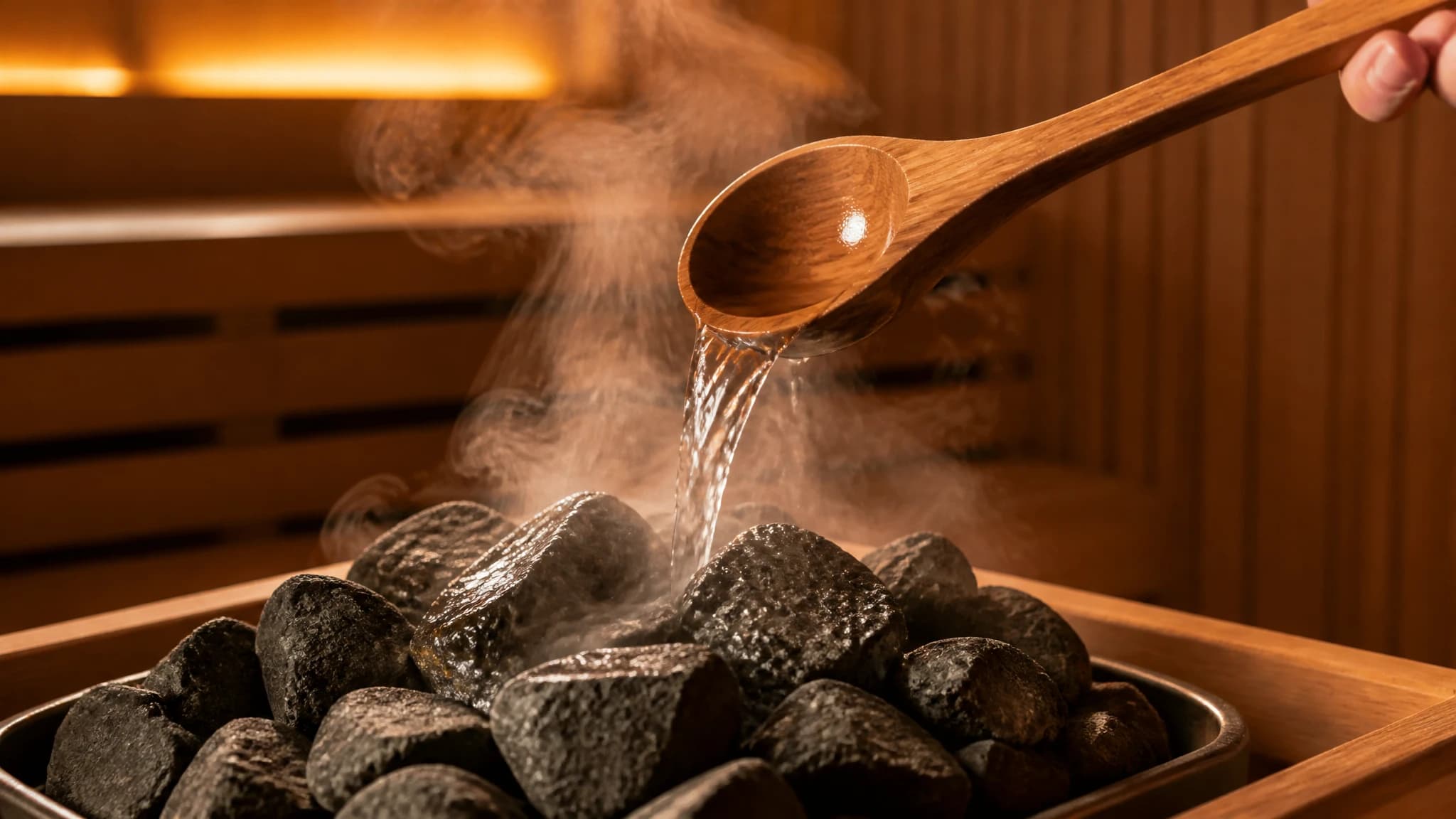
Managing the heat and staying hydrated is key to an effective post-gym sauna session.
Tracking Your Recovery with SaunaMetrics
If you are serious about your weight training routines, you are likely already tracking your sets, reps, and rest periods. Applying that same analytical approach to your recovery can provide invaluable insights into your long-term progress.
This is where integrating your post-workout habits with SaunaMetrics becomes highly beneficial. SaunaMetrics allows you to effortlessly log your sauna sessions, noting the temperature, duration, and how you felt.
By tracking your lifting days versus your sauna sessions in the app, you can begin to monitor personal recovery trends. For example, you might discover that adding a 15-minute sauna session at 175°F directly after your heavy leg days consistently results in less perceived soreness the following morning. You can use the app's notes feature to document your heart rate recovery, hydration levels, and overall relaxation. Over time, this data helps you optimize exactly how long you should spend in the heat to get the best return on your gym efforts.
Conclusion
Hitting the sauna after weight training is much more than a relaxing way to cap off a gym session. It is a legitimate, scientifically grounded recovery tool that promotes vasodilation, flushes metabolic waste, conditions the cardiovascular system, and shifts the body into a vital parasympathetic state.
By approaching your post-gym heat therapy with intention—hydrating properly, timing your sessions, and tracking your routines—you can maximize muscle relaxation and ensure your body is fully prepared for your next heavy lifting day.