
 Veselin Stoyanov9 min read
Using a Sauna Before Bed: Benefits for Sleep Quality
Discover how using a sauna before bed improves sleep quality through natural thermoregulation. Learn practical tips for building a relaxing evening routine.
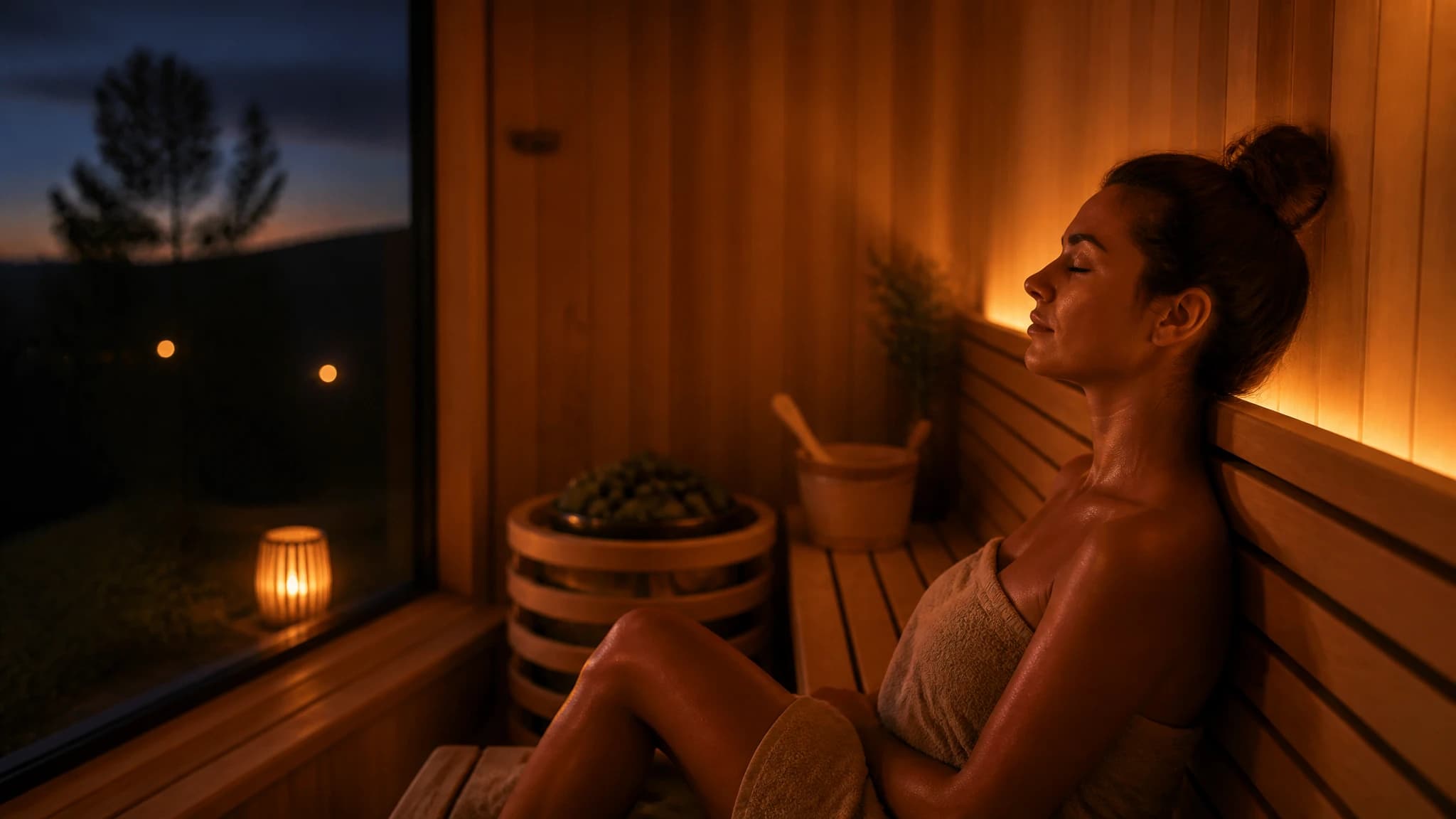
Getting a good night of rest is a foundation of overall health, yet many people struggle to fall asleep and stay asleep. If you are looking for a natural way to improve your evening routine, using a sauna before bed might be the effective, relaxing solution you need. Beyond the well-known cardiovascular and relaxation benefits, a sauna for sleep works in harmony with your body's natural circadian rhythm to prepare you for deep rest.
In this practical guide, we will explore the science behind why a sauna before sleep is so effective, outline the key sauna before bed benefits, and provide actionable steps to help you build the perfect evening wind-down protocol.
The Science of Sleep and Thermoregulation
To understand why a sauna before bed is so effective, it is essential to understand the biological process of thermoregulation. Thermoregulation is your body's method of maintaining its internal core temperature.
Our bodies operate on a circadian rhythm, an internal clock that regulates our sleep-wake cycle. As evening approaches, your core body temperature naturally begins to drop. This cooling process is one of the primary physiological signals to your brain that it is time to transition into sleep mode. When this temperature drop occurs efficiently, you tend to fall asleep faster and transition into deeper stages of sleep.
When you sit in a sauna, you are intentionally exposing your body to environmental heat. This causes your core body temperature to rise artificially. At first glance, this might seem counterintuitive to the cooling process required for sleep. However, the magic happens after you step out of the sauna.
Once you leave the heat, your body works actively to cool itself down to its baseline temperature. Because you have elevated your core temperature significantly, the subsequent drop is steep and rapid. This pronounced cooling effect mimics and accelerates the natural temperature drop that your brain associates with bedtime. By enhancing this biological signal, a sauna for sleep effectively hacks your thermoregulation system, sending a powerful message to your nervous system that it is time to shut down for the night.
Key Sauna Before Bed Benefits
Integrating a sauna session into your evening routine offers several distinct benefits that directly translate to better sleep quality.
Faster Sleep Onset
Because of the rapid cooling process described above, many individuals find that they fall asleep much faster on nights they use the sauna. Instead of tossing and turning while the brain slowly winds down, the distinct thermoregulatory drop acts as a clear, biological trigger for sleep onset.
Enhanced Physical Relaxation
Throughout the day, we accumulate physical tension in our muscles, whether from sitting at a desk, engaging in physical labor, or exercising. The penetrating heat of a sauna increases blood circulation, which helps deliver oxygen-rich blood to fatigued muscles. This promotes deep physical relaxation, relieving the muscular tension that often makes it difficult to get comfortable in bed.
Mental Wind-Down and Stress Relief
The environment of a sauna provides a quiet, distraction-free zone. Without access to smartphones, laptops, or television, an evening sauna session forces you to disconnect from the stressors of the day. The heat also prompts the release of endorphins, the body's natural feel-good chemicals, which can help calm an anxious mind and lower cortisol levels before you pull up the covers.
Crafting the Perfect Evening Sauna Routine
To maximize the sauna sleep benefits, how and when you use the sauna is just as important as using it at all. A poorly timed session can actually disrupt your sleep, so following a structured routine is highly recommended.
1. Timing is Everything
The most critical factor when using a sauna before bed is timing. You should not step out of the sauna and immediately get into bed. Your body needs time to execute the cooling phase.
Aim to finish your sauna session about one to two hours before you intend to go to sleep. This one-to-two-hour window gives your body ample time to lower its core temperature, allowing you to ride the wave of the cooling effect right into deep sleep. If you go to bed while you are still sweating and radiating heat, you will likely feel restless.
2. Moderate Temperature and Duration
While daytime sessions might be geared toward endurance or intense heat exposure, your evening routine should focus on relaxation. Keep the temperature moderate and comfortable. A session of 15 to 20 minutes is typically sufficient to elevate your core temperature without causing excessive physiological stress.
Pushing yourself too hard in the evening can cause a spike in heart rate and adrenaline, which are counterproductive to sleep.
3. The Crucial Cool-Down Phase
How you cool down after your evening sauna session requires careful consideration. While contrast therapy (alternating between a hot sauna and an ice-cold plunge) is excellent for daytime invigoration, extreme cold exposure right before bed is not recommended. An ice bath or freezing shower can trigger a sympathetic nervous system response, releasing adrenaline and waking you up.
Instead, opt for a gradual cool-down. Step out into room temperature air, or take a lukewarm to slightly cool shower. The goal is to gently assist your body in lowering its temperature without shocking your system into alertness.
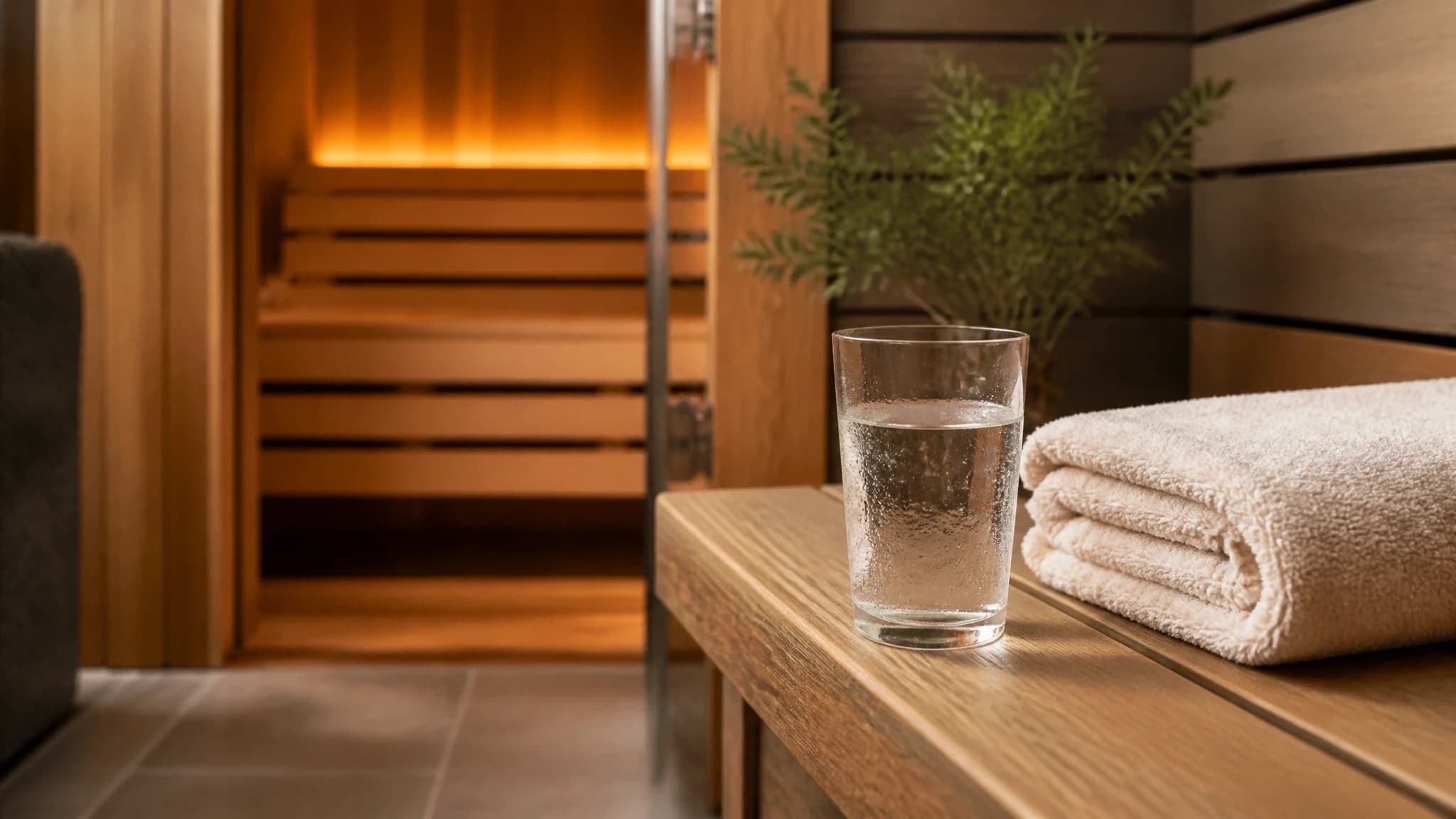
Allowing your body time to cool down and rehydrate is essential before getting into bed.
4. Proper Evening Hydration
Sweating depletes your body's water and electrolyte stores. Going to bed dehydrated can lead to poor sleep quality, elevated heart rate, and even nighttime muscle cramps. It is vital to rehydrate after an evening sauna session.
Drink plenty of room-temperature water or a relaxing herbal tea, such as chamomile or magnesium-infused water. Avoid consuming alcohol or caffeine after your sauna, as these will directly counteract your efforts to achieve deep, restorative sleep.
Tracking Your Routine with SaunaMetrics
Because every person's body reacts differently to heat, the ideal evening routine will vary from person to person. Some individuals might find that a 20-minute session at 170 degrees Fahrenheit one hour before bed is their sweet spot, while others might prefer a shorter, milder session two hours before bed.
Finding your personal protocol requires consistency and observation. This is where tracking your habits becomes incredibly valuable. Using a free tool like SaunaMetrics allows you to easily log the specific details of your evening sessions.
You can record the time of day you entered the sauna, the duration of your session, and the temperature. More importantly, SaunaMetrics allows you to add custom notes. By logging how well you slept the night following a session, you can begin to spot trends over time. Perhaps you will notice that sessions ending exactly 90 minutes before bed yield the deepest sleep, or that staying in five minutes too long leads to restlessness. Tracking takes the guesswork out of your routine and helps you develop a habit that genuinely improves your well-being.
Common Mistakes to Avoid
As you begin experimenting with a sauna before sleep, be mindful to avoid a few common pitfalls that can hinder your progress:
- Skipping the Cool-Down Window: As emphasized earlier, rushing from the sauna to your bed will leave you uncomfortably warm and awake. Always respect the one-to-two-hour cooling window.
- Overhydration Right Before Bed: While you need to replenish lost fluids, chugging a massive amount of water immediately before sleeping will likely cause you to wake up for bathroom trips during the night. Sip your fluids steadily during your cool-down window.
- Using Electronics in the Sauna: If you are using a lower-temperature infrared sauna, you might be tempted to bring your phone inside to read or scroll. The blue light emitted by screens suppresses melatonin production, negating the sleep-promoting benefits of the session. Use this time to unplug.
Conclusion
Using a sauna before bed is a powerful, science-backed method for improving your sleep quality. By leveraging your body's natural thermoregulation process, you can create a steep drop in core body temperature that clearly signals to your brain that it is time to rest.
Coupled with the physical relaxation of muscles and the mental relief from daily stress, an evening sauna session can transform the way you sleep. Remember to time your sessions correctly, avoid extreme cold plunges afterward, and stay properly hydrated. By logging your routines in SaunaMetrics, you can refine your approach over time, turning a simple evening habit into a personalized protocol for deep, restorative sleep.