
 Veselin Stoyanov9 min read
Does a Sauna Help with Muscle Recovery and Soreness?
Discover how a sauna can aid muscle recovery and soothe soreness after a workout through improved blood flow, heat therapy, and relaxation.

Stepping into a heated room after a grueling training session is a ritual observed by countless athletes, gym-goers, and wellness enthusiasts. The intense, enveloping heat offers an immediate sense of relaxation, but it naturally begs the question: does a sauna actually help with muscle recovery and soreness, or does it simply feel good in the moment?
Understanding how a sauna for muscle recovery works requires looking past the hype and focusing on the physiological responses your body has to heat therapy. From increased blood flow to the subjective relief of perceived stiffness, using a sauna for soreness is a valuable tool in any comprehensive workout routine. However, it is essential to manage expectations. Heat is not a magical cure for all post-workout aches, but rather a powerful catalyst for your body's natural healing processes.
In this article, we will examine the role of heat therapy in muscle relaxation, explore the distinction between subjective relief and physical recovery, and discuss how tracking your sessions can help you optimize your sauna workout recovery.
The Physiology of Heat: How Saunas Affect Blood Flow
When you sit in a sauna—whether it is a traditional Finnish sauna, a dry wood-fired room, or a modern infrared unit—your body undergoes significant changes in response to the high ambient temperature. The most immediate and relevant response for muscle recovery is vasodilation.
Vasodilation refers to the widening of your blood vessels. As your core temperature rises, your nervous system directs blood flow away from your core and toward your skin in an attempt to cool you down through sweating. This cardiovascular response increases your heart rate, sometimes mimicking the effects of light to moderate exercise.
For muscles fatigued by a heavy workout, this increase in circulation is highly beneficial. Your blood carries oxygen and vital nutrients that are required for cellular repair. By increasing the volume of nutrient-rich blood flowing through your muscle tissues, a sauna session can theoretically help deliver the building blocks needed to repair the micro-tears caused by resistance training or high-intensity cardio.
Furthermore, improved circulation assists in the clearance of metabolic waste products, such as hydrogen ions and other byproducts of muscle contraction, which can accumulate during intense exercise and contribute to a feeling of acute muscular fatigue.

Does a Sauna Cure Muscle Soreness? Managing Expectations
One of the most common misconceptions about using a sauna for recovery after a workout is that it will "cure" Delayed Onset Muscle Soreness (DOMS). DOMS is the familiar, deep ache that typically peaks 24 to 72 hours after unfamiliar or eccentric exercise (like heavy squats or downhill running).
It is important to state clearly that a sauna does not cure DOMS. The micro-trauma inflicted on your muscle fibers during a workout requires time, protein synthesis, and adequate sleep to fully heal. No amount of heat can instantly repair these structural changes.
However, a sauna for soreness is incredibly effective at providing subjective relief. Heat acts on the nerve endings in your skin and muscles, essentially altering your perception of pain. The warmth can soothe the nervous system, reducing the sensation of stiffness and allowing you to feel more comfortable in your body while the natural healing process takes place.
This subjective relief should not be underestimated. When you feel less stiff, your mobility often improves temporarily. This allows you to go about your day with greater ease and can even make active recovery (like a light walk or gentle stretching) much more manageable and effective.
Muscle Relaxation and Tension Release
Beyond blood flow and pain perception, the sheer relaxing effect of heat on muscle tissue is a primary reason people use a sauna for recovery. Workouts, especially heavy lifting or high-stress conditioning, leave muscles in a contracted, tight state. The sympathetic nervous system (your "fight or flight" response) is highly elevated during intense exercise.
Stepping into a quiet, warm sauna helps shift your body into a parasympathetic state (the "rest and digest" response). As your nervous system calms down, muscle tension naturally dissipates. Connective tissues become slightly more pliable when warmed, which can reduce the feeling of being "locked up" after a strenuous training session.
This is why many people prefer heat therapy over cold therapy (like ice baths) for certain types of recovery. While cold therapy is excellent for acutely reducing severe inflammation, it can also cause muscles to contract and tighten. Heat, conversely, encourages muscular release and overall relaxation, making it an ideal choice for general workout recovery and tension relief.
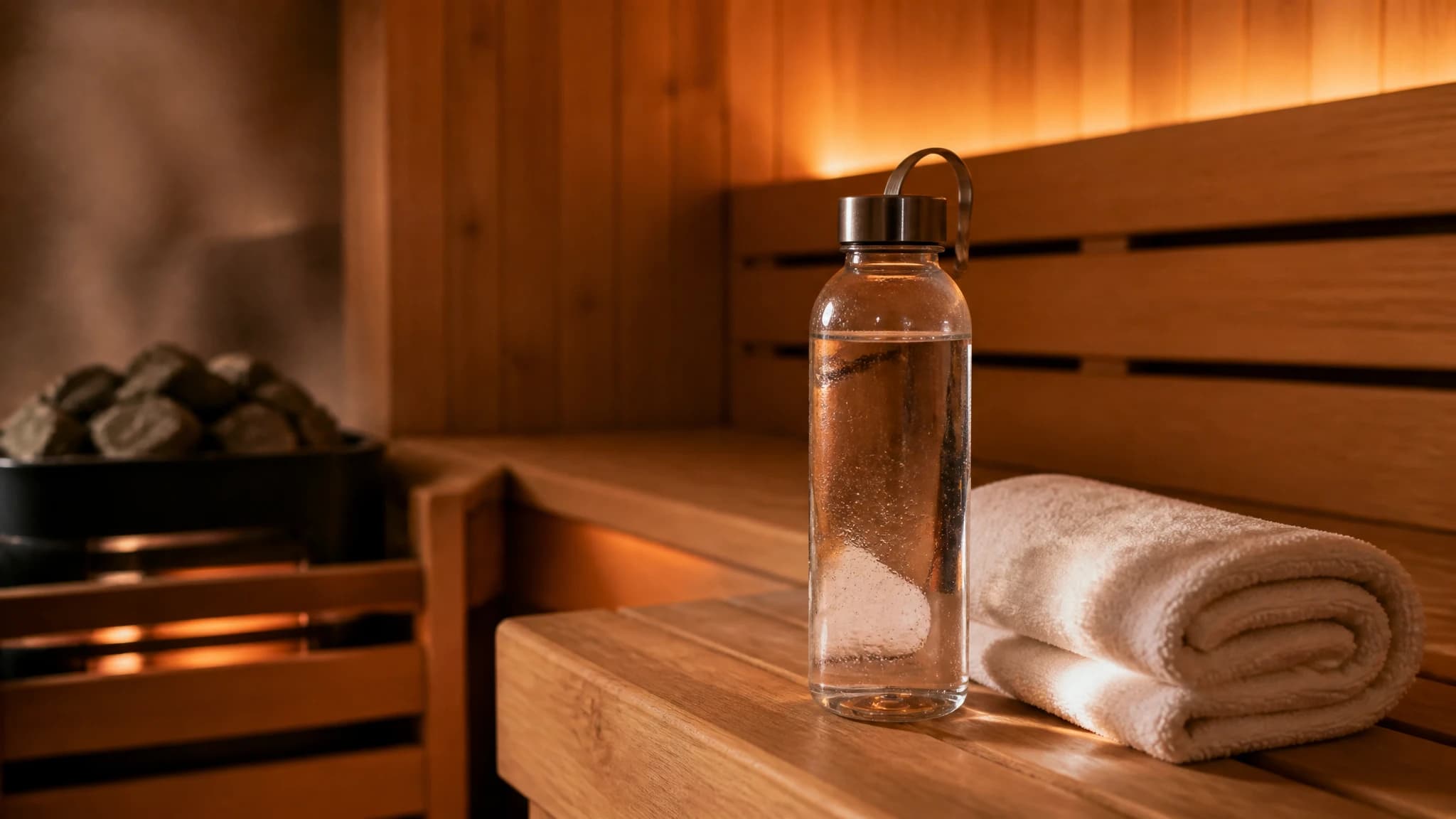
Best Practices for Using a Sauna for Recovery After a Workout
To get the most out of your sauna workout recovery without putting undue stress on your body, it is crucial to follow a few practical guidelines.
1. Wait for Your Heart Rate to Settle
Do not jump directly from a high-intensity workout straight into a 90-degree Celsius sauna. Your cardiovascular system is already working hard from the exercise. Take 10 to 15 minutes to cool down, walk around, and let your heart rate return closer to its baseline before exposing yourself to intense heat.
2. Prioritize Hydration
This is the most critical rule of sauna use, particularly post-workout. You have already lost fluids and electrolytes through exercise-induced sweat. Entering a sauna will cause you to sweat profusely, compounding that dehydration. Drink plenty of water or an electrolyte-rich beverage before, during, and after your sauna session to avoid dizziness, headaches, and impaired recovery.
3. Keep the Duration Reasonable
More time in the heat does not equal better recovery. For most people, a session lasting between 10 and 20 minutes is more than enough to stimulate vasodilation, induce a deep sweat, and relax tense muscles. Listen to your body—if you feel lightheaded, nauseous, or uncomfortably hot, it is time to step out.
4. Incorporate Gentle Movement
While the sauna is primarily for sitting and relaxing, taking advantage of the heated environment to perform very light, gentle mobility work (like neck rolls or wrist stretches) can feel great. Avoid intense stretching, as the heat can trick your body into thinking it has more flexibility than it actually does, which could lead to overstretching injuries.
How to Track Your Sauna for Soreness Routine
Because the benefits of a sauna for muscle recovery are largely subjective, determining what works best for your unique physiology requires a bit of trial and error. Some people feel fully rejuvenated after 15 minutes at a moderate temperature, while others prefer shorter, hotter sessions.
This is where building a consistent habit and tracking your data becomes invaluable. By logging your sessions, you can begin to identify patterns in how your body responds to heat therapy after different types of workouts.
Using a free tracking tool like SaunaMetrics allows you to log the duration and temperature of every session. More importantly, you can use the notes feature in SaunaMetrics to record your subjective muscle soreness levels before and after you step into the heat.
For example, you might note: "Post-leg day. Soreness at a 7/10 before entering. Sat for 15 minutes at 80°C. Soreness dropped to a 4/10, mobility in hips improved." Over weeks and months, these individual data points form a clear picture of your ideal sauna routine, helping you dial in the exact parameters that give you the best subjective relief.

Combining Heat with Other Recovery Protocols
It is helpful to view the sauna as one piece of a larger recovery puzzle. No single modality can replace the foundational pillars of recovery: nutrition, hydration, and sleep.
To maximize the benefits of vasodilation and muscle relaxation provided by the sauna, pair your heat therapy with a high-protein post-workout meal to supply the raw materials needed for muscle repair. Follow up your sauna session with a cool shower to wash off sweat and gently bring your core temperature back down, which can also help prepare your body for a restful night of sleep.
Sleep is ultimately when the vast majority of physical recovery occurs. Because saunas excel at lowering sympathetic nervous system activity and promoting relaxation, an evening sauna session after a late afternoon workout can be a fantastic way to transition your body toward deep, restorative sleep.
Conclusion
So, does a sauna help with muscle recovery and soreness? The answer is a practical, measured yes. While it will not magically cure the structural micro-tears of DOMS, a sauna for muscle recovery is an excellent way to stimulate blood flow, deliver oxygen to tired tissues, and clear out metabolic waste.
Most importantly, the heat provides significant subjective relief. It soothes the nervous system, eases the sensation of tightness, and helps you move more freely in the days following a tough workout. By approaching your heat therapy practically, staying hydrated, and logging your soreness levels with a tool like SaunaMetrics, you can develop a personalized sauna routine that perfectly complements your fitness journey.