
 Veselin Stoyanov6 min read
Preventing Sauna Dehydration: Essential Hydration Tips
Learn how to prevent sauna dehydration and manage fluid loss. Discover practical hydration tips, electrolyte advice, and essential sauna safety practices.
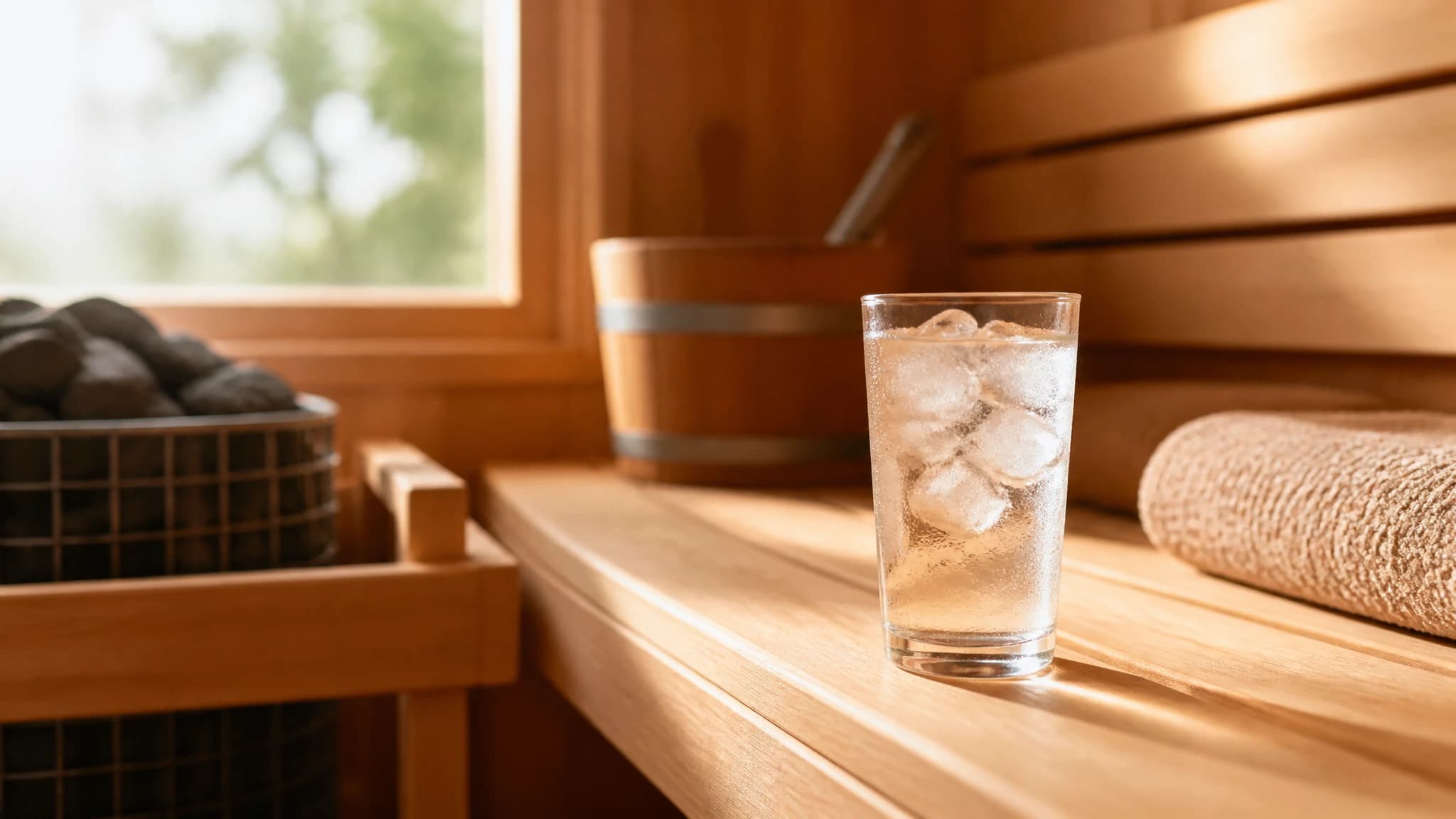
A sauna session is an excellent way to relax and unwind, but the extreme heat triggers a significant physical response: sweating. While sweating is a natural cooling mechanism that helps regulate your internal body temperature, it rapidly accelerates fluid loss and increases your risk of sauna dehydration.
Understanding how to manage your body's fluid balance is a critical part of sauna safety. By adopting a proactive hydration strategy, you can avoid common sauna side effects like dizziness, headaches, and fatigue, ensuring every session leaves you feeling rejuvenated rather than depleted.
Understanding Fluid Loss and Sauna Dehydration
When you step into a sauna, the ambient temperature—often ranging from 150 to 195 degrees Fahrenheit in traditional Finnish setups—causes your blood vessels to dilate and your sweat glands to kick into overdrive. This thermoregulatory response is exactly what you want, but it comes at the cost of your body's water reserves.

Always prepare for your session by drinking water beforehand.
The average person can lose up to a pint (about 500 milliliters) of sweat during a standard 15 to 20-minute sauna session. If you sit in the heat longer, or if you practice multiple rounds of hot and cold exposure, that volume increases significantly. Sweat is primarily composed of water, but it also contains vital minerals known as electrolytes. When you lose too much of both without replacing them, you cross the threshold into sauna dehydration.
Sauna Side Effects: Recognizing the Signs of Dehydration
Practicing good sauna safety means listening to your body. Dehydration does not always announce itself with extreme thirst; it often creeps up in subtle ways. Recognizing the early warning signs can help you mitigate uncomfortable sauna side effects.
Mild to moderate signs of dehydration include:
- A dry, sticky mouth or excessive thirst
- Lightheadedness or dizziness when standing up
- A dull, throbbing headache during or after your session
- Muscle cramps in your legs, arms, or abdomen
- Dark yellow urine later in the day
If you experience severe symptoms like confusion, a rapid or irregular heartbeat, extreme nausea, or a sudden inability to sweat, exit the sauna immediately. These are signs of severe heat exhaustion and require prompt cooling and fluid replacement.
How to Hydrate Before Your Sauna Session
Effective hydration starts long before you step into the heat. Trying to chug a massive bottle of water right before closing the sauna door will only leave you feeling bloated and uncomfortable.
Instead, adopt a gradual approach. Aim to drink 16 to 20 ounces of water one to two hours prior to your session. This gives your body ample time to absorb the fluids and pass any excess.
It is equally important to know what to avoid. Alcohol and heavily caffeinated beverages act as diuretics, meaning they cause your body to expel water at a faster rate. Consuming these before a session directly counteracts your hydration efforts and severely compromises sauna safety.
Hydration Tips During Your Sauna Use
While inside the sauna, your primary focus should be on relaxation and monitoring your heat tolerance. However, keeping fluids nearby is a smart habit.
If your facility or home setup allows it, keep an insulated water bottle just outside the door or on the lowest bench where it is coolest. Take small, measured sips throughout your session rather than taking large gulps.
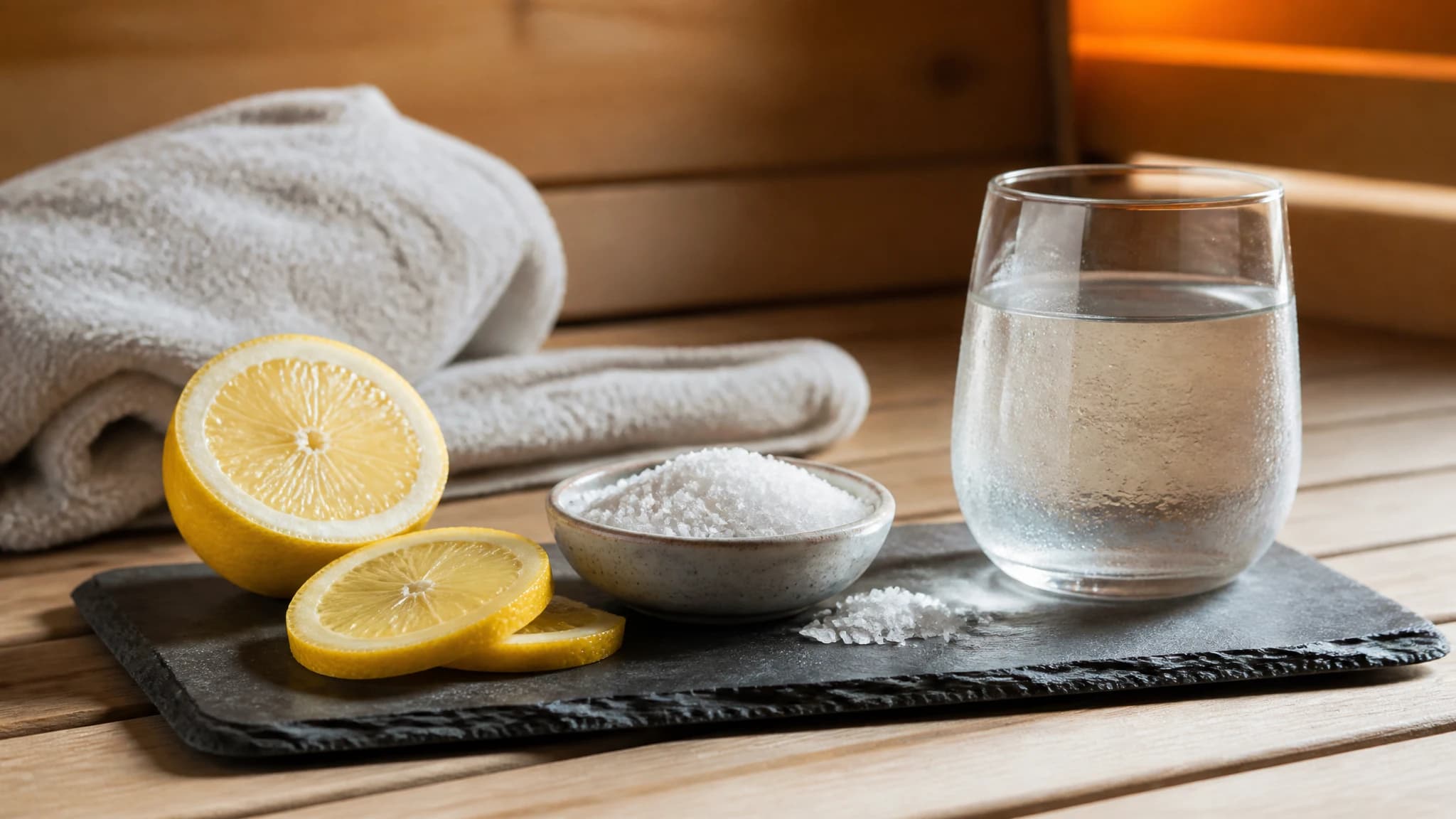
Replenishing electrolytes is just as important as replacing lost water.
Remember that drinking water during the session is a supplementary measure. The heat causes you to lose fluid faster than your digestive system can absorb it. Your main defense against sauna dehydration is keeping your session times strictly within safe limits—generally 15 to 20 minutes per round.
Replenishing After: Water and Electrolytes
The most crucial phase of your hydration strategy happens after you cool down. Your immediate goal is to replace the volume of water you sweated out, as well as the lost minerals.
A standard rule of thumb is to drink at least 16 to 24 ounces of water for every pound of body weight lost during the session. If you do not weigh yourself, simply aim to drink two large glasses of water over the hour following your sauna.
Because sweat contains sodium, potassium, and magnesium, plain water is sometimes not enough to fully restore your body's balance. To replenish electrolytes effectively, consider:
- Adding a small pinch of high-quality sea salt to your post-sauna water
- Drinking naturally mineral-rich coconut water
- Eating a small snack like a banana or a handful of almonds
- Using a dedicated, low-sugar electrolyte powder
Tracking Your Hydration and Sauna Routines
Everyone's body reacts differently to heat. Your age, fitness level, and even the time of day can influence how much you sweat and how susceptible you are to sauna dehydration. A simple way to optimize your routine is by logging your habits.
Using a free tool like SaunaMetrics can make a massive difference in developing a healthy habit. With SaunaMetrics, you can log your session duration, record the temperature, and use the notes feature to specifically track your water and electrolyte intake. By noting how you felt after a session—whether energized or fatigued—you can look back at your logs and pinpoint the exact hydration strategy that works best for your body.
Taking the time to respect the heat and prioritize your fluid balance ensures that you can safely enjoy the restorative benefits of your sauna practice for years to come.