
 Veselin Stoyanov11 min read
Using the Sauna for Stress Relief and Relaxation
Learn how to use the sauna for stress relief and relaxation, with practical routine ideas, mood tracking tips, and important safety guidance.
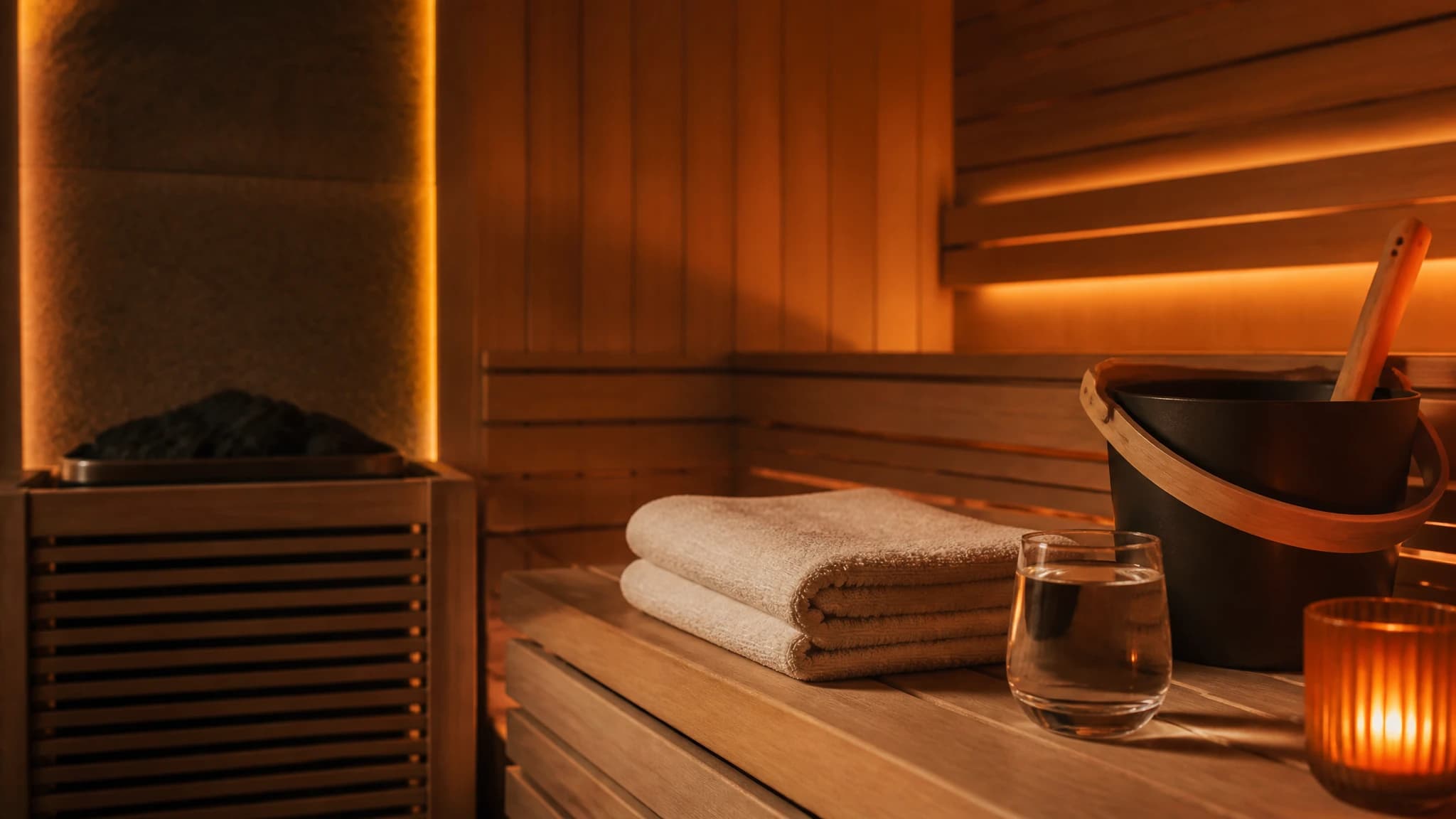
Using the Sauna for Stress Relief and Relaxation
Stress relief does not always require a complicated wellness plan. Sometimes, it starts with setting aside a short period when you are not expected to answer messages, solve problems, or move on to the next task.
That is one reason many people use the sauna for stress relief. The heat creates a distinct environment, while the usual distractions—phones, notifications, chores, and screens—can be left outside. The result is not a guaranteed treatment for stress or anxiety, but it can become a useful relaxation ritual when practiced comfortably and consistently.
The most effective sauna routine is usually the one you can repeat without forcing it. You do not need to chase extreme temperatures or stay inside as long as possible. Instead, focus on creating a calm space, paying attention to how you feel, and leaving the session feeling better than when you entered.
Why the Sauna Can Feel Relaxing
A sauna may support relaxation in several simple ways.
It creates protected quiet time
Modern stress is often connected to constant switching between tasks. A sauna session gives you a defined period with fewer demands. Even 10 or 15 minutes without checking a phone can feel different from ordinary downtime because the setting signals that this is time to pause.
This “protected quiet” may be especially helpful if you rarely take breaks during the day. The sauna does not remove the source of your stress, but it can create enough distance to notice your thoughts and allow your body to settle.
It encourages slower breathing and fewer distractions
Heat can make you more aware of your breathing, posture, and physical sensations. Rather than trying to force a meditation session, you can simply notice whether your breathing is rushed or relaxed and gradually allow it to become slower and more comfortable.
The goal is not to perform perfectly. It is to give your attention one manageable place to rest.
It turns relaxation into a repeatable ritual
A one-time sauna session may feel pleasant, but a consistent routine can be more useful. Repeating the same basic steps—showering, entering the sauna, sitting quietly, cooling down, hydrating, and resting—can create a dependable transition between a demanding part of the day and a calmer one.
Rituals are easier to maintain when they are simple. A realistic sauna routine might be one or two sessions per week, depending on your preferences, access, and how your body responds.
It provides a clear boundary between activities
The sauna can act as a buffer. You might use it after work to mark the end of the workday, after exercise as part of a recovery routine, or in the evening as a way to reduce stimulation before bed.
The benefit may come partly from this transition itself. You are deliberately moving from activity to stillness instead of carrying the same pace into the rest of the evening.
How to Use the Sauna for Stress Relief
A relaxing session does not need to be intense. Use these steps as a starting point and adjust them to your experience.
1. Choose a time when you do not need to rush
If you are watching the clock or preparing for an immediate obligation, it may be difficult to relax. Choose a window that leaves time for the session, a gradual cool-down, and a few quiet minutes afterward.
Some people prefer the evening. Others find that a morning or midday session helps them reset. There is no universal best time; the best time is the one that fits your schedule and does not create additional pressure.
2. Leave your phone outside when possible
The sauna can be a designated screen-free space. If you need your phone for safety, keep it accessible but avoid using it for entertainment or work. You can also decide before entering that you will not check messages until the session is complete.
This small boundary can make the sauna feel more like intentional rest and less like another place to consume information.
3. Enter with a simple intention
Instead of trying to “fix” your stress during the session, choose a modest intention:
- Notice your breathing.
- Let your shoulders drop.
- Think through one concern without solving it immediately.
- Sit quietly for the length of the session.
- Pay attention to whether your body feels more settled afterward.
An intention gives your mind something gentle to return to when it starts jumping between thoughts.
4. Keep the session comfortable
For relaxation, longer and hotter is not automatically better. Start with a duration and temperature that feel manageable. If you are new to sauna use, begin conservatively and increase gradually only if you remain comfortable.
Leave the sauna if you feel dizzy, faint, nauseated, unusually weak, confused, or unwell. Stress relief should never depend on pushing through warning signs.
5. Cool down gradually and rest
After leaving, give yourself time to cool down at a comfortable pace. A lukewarm or cool shower may feel refreshing, but there is no need to make the transition extreme.
Sit or lie down for a few minutes, notice how your breathing and mood have changed, and drink water. The post-sauna period is part of the routine rather than an afterthought.
A Simple Sauna Routine for Relaxation
Here is an example of a low-pressure routine:
- Drink some water and take a brief shower.
- Leave your phone and work materials outside the sauna.
- Sit for a comfortable first round while breathing normally.
- Step out, cool down gradually, and rest.
- Decide whether you feel ready for another short round.
- Finish with water, a shower if desired, and several quiet minutes.
- Note your mood before and after the session.
The exact number of rounds and duration should depend on your experience, the sauna environment, and your personal health circumstances. The routine is successful if it helps you feel calmer—not if it follows an impressive-looking schedule.
Use Mood Notes to Learn What Works
Relaxation is subjective. A routine that feels restorative after a stressful workday may feel unnecessary after a calm weekend. Tracking a few observations can help you identify patterns without turning the sauna into another performance metric.
Before a session, note:
- Your stress level.
- Your energy level.
- Your mood.
- Whether you feel mentally busy, tired, tense, or calm.
After the session, record the same observations. You can also add a short note such as “quiet evening,” “better after cooling down,” or “too tired for a second round.”
SaunaMetrics can be useful for this kind of reflection because it lets you log sessions, temperatures, and notes over time. In particular, recording mood notes before and after a session may help you see whether certain times, temperatures, or session patterns are associated with a more relaxing experience for you.
The point is not to prove that every session produces the same result. It is to build a clearer picture of your own sauna routine.
Ways to Make the Sauna a Mental Reset Space
The physical environment matters, but the rules you create around it matter too. Consider trying one or two of these ideas:
Create a no-problem-solving rule
If a stressful thought appears, acknowledge it without immediately planning a response. Tell yourself that you can write it down after the session. This can reduce the pressure to use every quiet moment for productivity.
Use a breathing pattern that feels natural
You might count a few slow breaths or simply focus on a longer, unforced exhale. Stop if any breathing technique makes you feel uncomfortable or lightheaded.
Keep conversation intentional
Saunas can be social spaces, and talking with others may be relaxing. If you want solitude, choose a time or setting that makes quiet more likely. Both social connection and silence can be valuable; the right choice depends on what you need that day.
Pair the session with a consistent transition
For example, you might always follow the sauna with water, a shower, comfortable clothing, and 10 minutes without screens. Repeating this sequence can help your mind recognize that the day is slowing down.
Avoid turning relaxation into another obligation
If you miss a planned session, do not treat it as failure. A sauna routine should support your life, not become another source of guilt. Resume when it is convenient and safe.
Sauna Safety Considerations
Sauna use is not appropriate for everyone, and heat can place physical demands on the body. Avoid using a sauna while under the influence of alcohol or drugs. Hydrate appropriately, and pay attention to symptoms such as dizziness, nausea, weakness, headache, or confusion.
If you are pregnant, have a heart or blood-pressure condition, take medication that affects sweating or circulation, or have another condition that may be affected by heat, ask a qualified healthcare professional whether sauna use is appropriate for you. Follow the guidance of your clinician and the sauna facility.
Do not use the sauna as a substitute for professional help when stress is severe, persistent, or interfering with daily life. If you are experiencing a mental health crisis or feel unsafe, contact local emergency services or a qualified crisis resource.
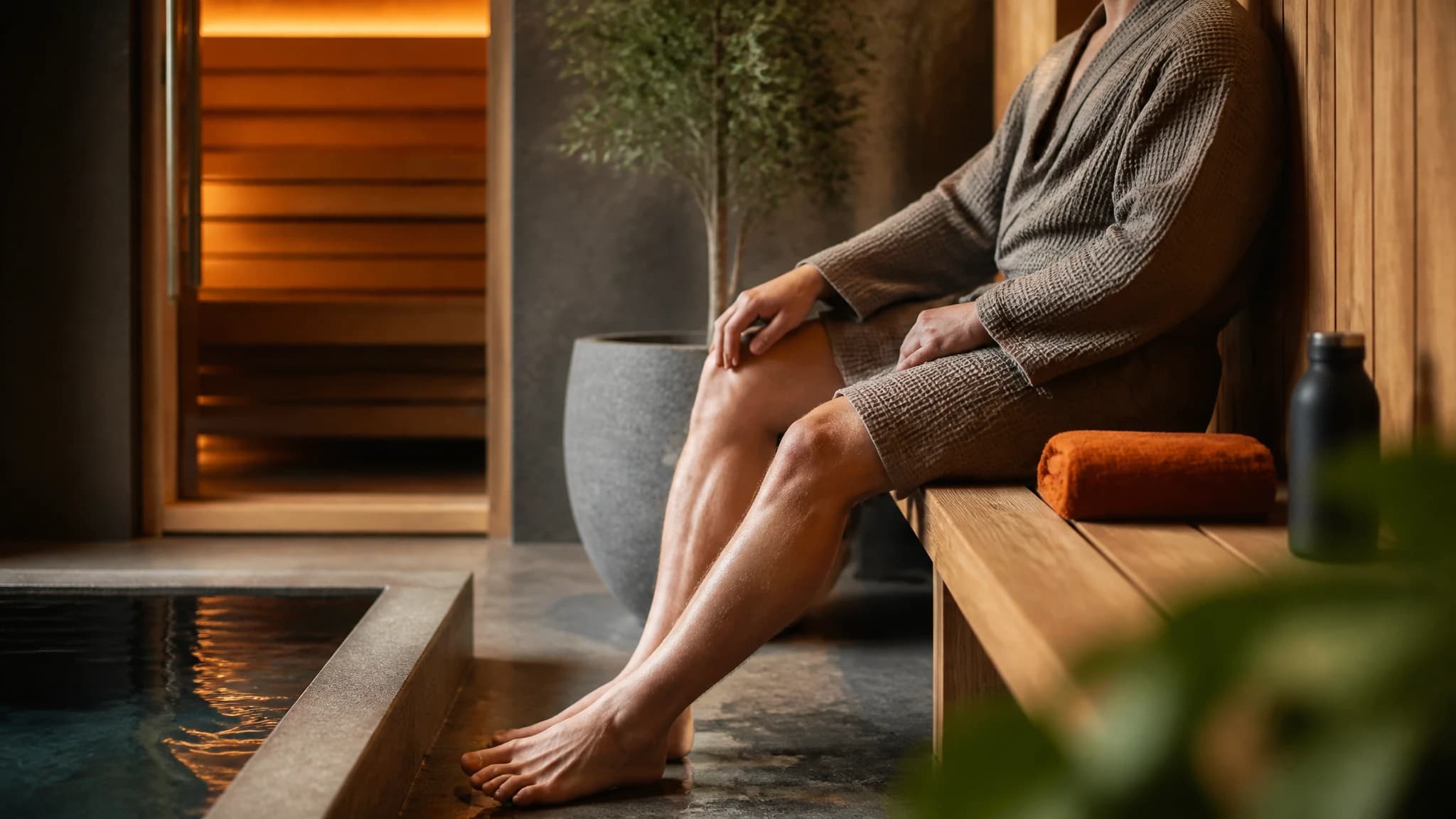
Cooling down, hydrating, and resting are important parts of a comfortable session.
What to Expect From Sauna for Stress Relief
A sauna may help you create a pause, but it cannot remove every source of stress. The effect may also vary from one session to the next. You might feel deeply relaxed one day and simply warm or tired another day.
That variability is normal. Look for practical signs that the routine is useful:
- You transition out of work more easily.
- You spend less time on your phone during the evening.
- Your body feels less tense after the session.
- You notice your mood more clearly.
- You are building a consistent habit of taking intentional breaks.
These are personal observations, not promises of a medical outcome. Keeping expectations realistic makes it easier to use the sauna as one part of a broader approach to stress management, alongside sleep, movement, supportive relationships, time outdoors, and professional care when needed.
Final Thoughts
Using the sauna for relaxation works best when you treat it as protected time rather than a test of endurance. A comfortable temperature, a phone-free environment, gradual cooling, and a few minutes of rest can turn an ordinary session into a meaningful mental reset.
Track the details that matter to you, including temperature, duration, timing, and mood before and after. Over time, those notes can help you build a sauna routine that supports real life: simple enough to repeat, flexible enough to adapt, and focused on how you actually feel.